
Introduction: The Perfection Trap
Priya had been writing the same first chapter for eleven months. Every time she got close to finishing it, she would read it back and decide it needed one more revision. The structure was almost right. The opening sentence was nearly perfect. The tone was close, but not quite. So she kept polishing.
She had not started chapter two.
Most of us recognise some version of this story. The report drafted and re-drafted until the deadline makes the decision for us. The presentation rehearsed so many times that the nervousness never actually reduces. The creative project that never gets shared because it is ‘not ready yet.’
Perfectionism promises protection — from judgment, from failure, from being seen as inadequate. What it delivers instead is a very sophisticated form of paralysis. The work never gets finished. The idea never gets tested. The progress never begins.
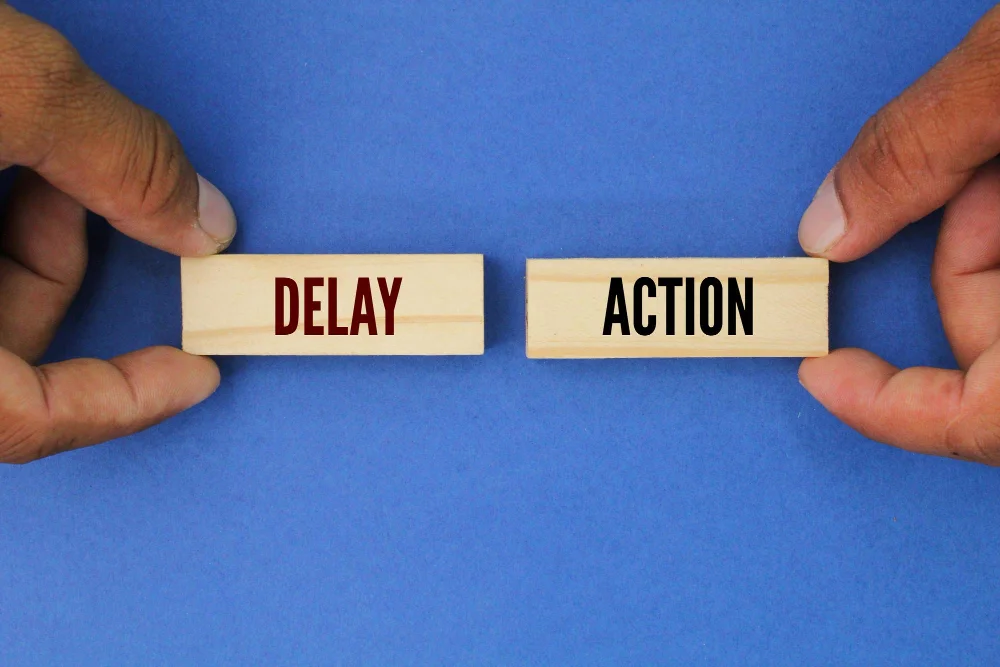
This article makes the case for something simpler and far more effective: imperfect action, taken consistently, over time.
“Done is better than perfect.” — Sheryl Sandberg
Key Takeaways
- Perfectionism is not high standards — it is fear wearing the costume of high standards.
- Progress compounds over time; waiting for perfection means the clock keeps running with nothing to show for it.
- Imperfect action generates feedback, learning, and momentum — all things that waiting never does.
- ‘Good enough’ is not mediocrity; it is the wise allocation of effort toward what actually matters.
What Perfectionism Really Protects You From
Time
Every day spent polishing instead of shipping is a day without feedback, without iteration, without the information that only comes from actually doing the thing in the real world. Eleven months of revisions on a first chapter produces one imperfect first chapter. Eleven months of writing produces a manuscript.
Momentum
Progress is self-reinforcing. Small actions generate energy, direction, and the motivation to continue. Perfectionism produces the opposite: the longer you wait, the more the project grows in your head, the more intimidating it becomes, and the harder it is to start.
Learning
You cannot learn from work that never meets the world. Feedback — from others, from the market, from the process itself — is where growth actually happens. A product launched imperfectly teaches you things that a year of internal planning never could.
Opportunity
In most domains, being first and imperfect beats being second and flawless. The gap you were trying to perfect your way into gets filled by someone else who acted with 80% of what they needed.
Why Progress Compounds and Perfection Does Not
Compound growth is one of the most powerful forces in any domain. Small improvements, made consistently, do not add — they multiply. A 1% improvement each day for a year produces something 37 times better than the starting point. But compound growth requires repetition. And repetition requires completion — of imperfect iterations.
Perfectionism breaks the compounding cycle at the first iteration. Nothing can compound if the first version is never released.
Progress also generates feedback that makes the next iteration better. The entrepreneur who ships a minimum viable product and listens to users can iterate to something excellent. The one who waits for excellence before shipping misses all the information that would have made their product genuinely good.
Practical Mindset Shifts for Moving Forward
Redefine ‘Good Enough’ as a Skill
Good enough is not settling. It is the wisdom to recognise when incremental improvement is no longer worth the cost. In most contexts, the difference between 90% and 99% is enormous in terms of time and energy, while the practical difference in outcome is minimal. Learning where the 90% threshold is — and having the confidence to stop there — is a skill that the highest-performing people in most fields develop deliberately.
Set a Completion Criterion Before You Start
Before beginning any project, write down what ‘done’ looks like. Not perfect — done. When will this draft be ready to share? What criteria would make this project complete enough to move forward? Having an explicit completion target prevents the goalposts from shifting and gives you permission to stop revising.
Treat Iterations as the Point, Not the Failure
The first version of almost everything significant in the world was not good. The first iPhone had significant limitations. The first drafts of celebrated novels were rough. The first performances of musicians who later became exceptional were ordinary. Iteration is not a sign that version one was a failure — it is the mechanism through which anything gets good.
Make the Smallest Possible Commitment
Not ‘I will finish the whole project,’ but ‘I will write 200 words today.’ Not ‘I will have the perfect answer,’ but ‘I will share my current thinking and iterate.’ Tiny commitments that you actually complete build evidence of capability and momentum. Grand commitments that you defer indefinitely build neither.
Share Before You Are Ready
The discomfort of sharing imperfect work is real but temporary. The learning you get from it is permanent. Choose a low-stakes context — a trusted colleague, an early-adopter community, a beta group — and share the imperfect version. The feedback will be more valuable than another month of internal revision.
Real-World Stories of Progress in Action
J.K. Rowling’s Harry Potter manuscript was rejected by twelve publishers before Bloomsbury accepted it. The version they accepted was not perfect — it was the version she was willing to keep submitting despite rejection.
The original Amazon website, by modern standards, was rudimentary. Jeff Bezos shipped it anyway, learned from real customers, and iterated to become one of the most sophisticated retail operations in the world.
James Dyson created 5,127 failed prototypes before he built the vacuum cleaner that worked. Not one version. Five thousand one hundred and twenty-seven imperfect versions, each teaching him something the perfect version in his head never could.
Frequently Asked Questions
Is 'progress over perfection' just an excuse for poor quality?
No. Progress over perfection is about releasing work at an appropriate standard for its stage and purpose, not about producing low-quality work indefinitely. A published book needs a higher standard than a first draft shared with a writing group. A launched product needs a higher standard than a prototype tested with early users. The principle is about knowing what standard is appropriate for each stage and having the courage to move to the next stage rather than remaining stuck in an infinite refinement loop.
How do I know when something is good enough to share?
Ask three questions: Is this better than nothing? Does it serve the purpose it was made for? Would spending significantly more time on it change the outcome meaningfully? If the answer to the first two is yes and the third is no, it is good enough. Create a completion criterion before you start to prevent this question from becoming a moving target.
What if I release something and it gets criticised?
It will. Criticism of your work is not a verdict on your worth as a person, and the information in genuine criticism is usually more valuable than the comfort of withholding. Most creators report that the fear of judgment before release is far worse than the actual response. And the worst-case scenario — real, harmful criticism — is something you can survive and learn from.
How does perfectionism link to procrastination?
Perfectionism and procrastination are closely linked. When the standard for ‘ready to start’ or ‘ready to share’ is perfect — which is never — then not starting and not sharing become the logical outcomes. Procrastination in this context is not laziness; it is the rational response to an impossible standard. Lowering the standard to ‘good enough for this stage’ makes starting possible.
Done Is Better Than Perfect
Priya eventually shared her first chapter. It was not perfect. It had a section she was not sure about and an opening paragraph she had rewritten forty times and still could not decide on.
The response from her writing group was something she had not expected: they found it compelling and wanted to read more.
The chapter she had spent eleven months perfecting was not the problem. The waiting was.
Progress does not ask you to lower your standards. It asks you to trust that you will get better through doing the work, not through delaying it. The best version of anything you make is the one that exists — shipped, shared, in the world, generating feedback and learning — not the one living eternally in your head, waiting to be perfect.
Book your psychiatric consultation with ZILOY.
Medical disclaimer: This article is for general information only and is not a substitute for personalised medical advice, diagnosis or treatment. If you are in crisis or concerned about your immediate safety, contact your local emergency number or a crisis helpline right away.