
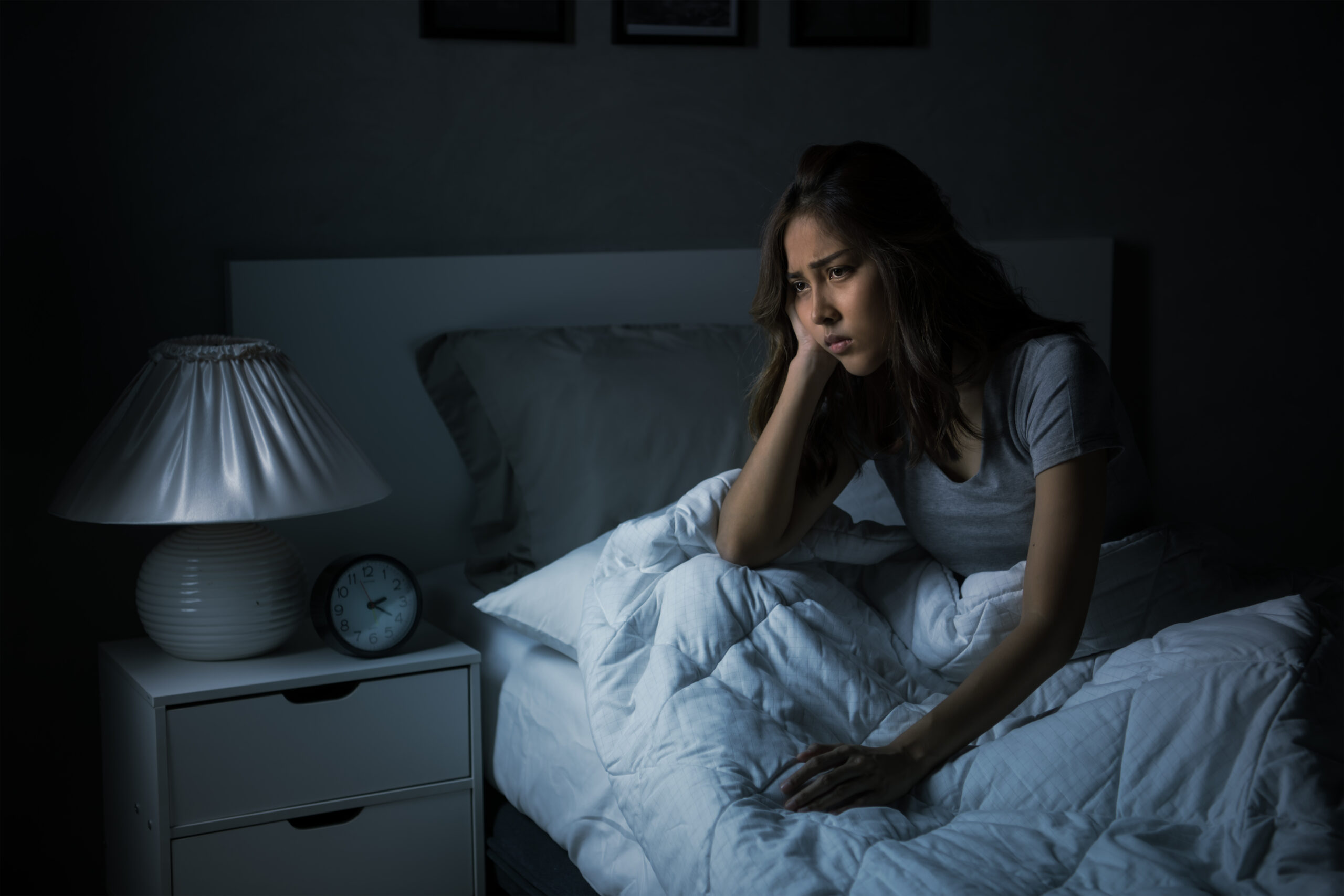
Defining the Landscape of Sleep Disruptions
Understanding the different types of sleep disorders is essential because sleep is a complex biological process, not just a period of “off time.” These disorders can be broadly categorised into groups based on whether they affect your ability to fall asleep, stay asleep, breathe correctly, or stay awake during the day. Recognising that your struggle might be a clinical condition is the first step in the sleep funnel toward effective repair.
Insomnia: The Most Common Barrier to Rest
Insomnia is perhaps the most recognised among the types of sleep disorders. It is characterised by persistent difficulty with sleep onset, maintenance, or quality, despite
having adequate opportunity for rest. Chronic insomnia often stems from a “tired but wired” state of hyperarousal, where the sleep-mental link becomes strained, leading to anxiety about the act of sleeping itself.
Sleep-Related Breathing Disorders: Beyond Snoring
This category includes Obstructive Sleep Apnea (OSA) and Central Sleep Apnea. These are critical conditions where breathing repeatedly stops and starts. Unlike simple snoring, these disorders cause oxygen levels to drop, forcing the brain to “panic” and wake the body up to resume breathing. This cycle prevents the brain from entering deep, restorative sleep stages.
Circadian Rhythm Disorders: When Your Internal Clock Misaligns
Your body has a natural 24-hour clock that dictates when you feel alert and when you feel sleepy. Disorders occur when this internal clock is out of sync with your environment. Common examples include Shift Work Disorder and Delayed Sleep Phase Disorder (common in teenagers and young adults), where the natural drive to sleep occurs much later than “standard” societal hours.
Parasomnias: Unusual Behaviours During Sleep
Parasomnias involve disruptive sleep-related events or “acting out” dreams. This includes sleepwalking, night terrors, and REM Sleep Behaviour Disorder. These events occur during transitions between sleep stages and can be dangerous if the individual interacts with their physical environment while still neurologically asleep.
Sleep-Related Movement Disorders
Conditions like Restless Legs Syndrome (RLS) or Periodic Limb Movement Disorder involve an uncontrollable urge to move the limbs, usually due to uncomfortable sensations. These movements often peak in the evening or during periods of rest, making the initiation of sleep a significant challenge.
Summary of the Case Study: Sleep Disorders in Psychiatry
The article discusses the significant intersection between sleep disorders and psychiatric conditions, emphasising their prevalence, biological underpinnings, and public-health burden. It explains that sleep is a critical active state necessary for cognitive, emotional, and physical well-being. Insomnia is identified as the most common sleep disorder in psychiatry, and at any given moment, 50% of adults experience one or more sleep-related problems, including difficulty falling asleep, staying asleep, staying awake, or maintaining regular sleep–wake schedules.
The text highlights that sleep disorders frequently occur alongside neuropsychiatric illnesses such as schizophrenia, depression, and anxiety, and that conditions like narcolepsy affect as many individuals as multiple sclerosis or Parkinson’s disease. Sleep deprivation, chronic sleep loss, and excessive daytime sleepiness collectively add billions of dollars to national healthcare costs in industrialised nations each year.
The article explains that chronic insomnia often stems from complex causes, including psychiatric disorders, circadian rhythm disruptions, medical illness, substance use, or maladaptive behaviours. Emerging neurophysiology research suggests imbalances between cholinergic and aminergic neurotransmitter systems in mood disorders, accounting for characteristic REM-sleep abnormalities seen in depression.
Ultimately, the piece stresses that sleep disorders are pathophysiological conditions profoundly influenced by ageing and that untreated insomnia significantly undermines overall health and functioning, underscoring the need for improved diagnosis and treatment strategies.
Source: Sleep disorders in psychiatry – ScienceDirect
Expert Insights on Diagnostic Complexity
“We must move away from the idea that sleep disorders are just ‘bad habits.’ Many types of sleep disorders have deep neurological or structural roots that no amount of ‘willpower’ can fix.” — Dr Charles Czeisler, Chief of the Division of Sleep and Circadian Disorders at Brigham and Women’s Hospital.
“The sleep-mental link is so profound that treating a sleep disorder can often be the most effective ‘antidepressant’ a patient ever receives. Rest is the fuel for psychological resilience.” — Dr. Shelby Harris, Sleep Psychologist.
When Should You Seek Help?
You should consult a professional if:
- You experience excessive sleepiness during the day that interferes with work or safety.
- You are told you stop breathing or gasp loudly during sleep.
- You have persistent trouble falling asleep (more than 30 minutes) most nights.
- You experience “creepy-crawly” sensations in your legs at night.
- You perform unusual behaviours (like sleepwalking) that worry you or your partner.
FAQs
1. Are all types of sleep disorders treated with medication?
No. Many, like insomnia, are best treated with Cognitive Behavioural Therapy (CBT-I), while others, like apnea, require mechanical devices or lifestyle changes.
2. Can you have more than one sleep disorder at once?
Yes. It is common for sleep apnea to trigger secondary insomnia, as the brain begins to associate the bed with the struggle to breathe.
3: Is snoring always a sign of a disorder?
Not always, but “heroic” or inconsistent snoring is a major red flag for sleep-related breathing disorders and should be evaluated.
Key Takeaways
- Diversity of Disorders: There are many types of sleep disorders; they aren’t all just “insomnia.”
- Systemic Impact: Untreated sleep issues affect heart health, metabolism, and mental clarity.
- The Sleep-Mental Link: Psychological health is nearly impossible to maintain without fixing the biological foundation of sleep.
- Diagnosis is Key: A professional sleep study is often the only way to distinguish between different types of rest disruptions.
Conclusion
Navigating the various types of sleep disorders can be overwhelming, but identification is the first step toward recovery. Whether your challenge is a mechanical breathing issue or a neurological timing shift, modern sleep medicine offers pathways to repair. By listening to your body’s daytime warning signs and seeking expert guidance, you can move from a state of exhaustion to one of empowered, restorative health.