Break Free. Rebuild Your Life. Recover from Substance Use Disorder
Struggling with substance use can feel overwhelming—but recovery is possible. Get expert support to understand substance use disorders, manage symptoms, and regain control of your life.
Comprehensive Care for Substance Use Disorder
Substance use disorder is a complex but treatable condition that affects both the brain and behaviour. Our care model focuses on long-term recovery, not just short-term fixes.
Personalised Recovery Plans
Custom treatment programs designed for alcohol, prescription medication, and substance abuse recovery.
Medical & Psychological Support
Integrated care combining medical guidance, therapy, and emotional support for lasting healing.
Relapse Prevention & Family Care
Long-term recovery strategies with family-inclusive programs to support sustainable wellness.
Personalised Recovery Plans
Custom treatment programs designed for alcohol, prescription medication, and substance abuse recovery.
Medical & Psychological Support
Integrated care combining medical guidance, therapy, and emotional support for lasting healing.
Relapse Prevention & Family Care
Long-term recovery strategies with family-inclusive programs to support sustainable wellness.
What Is Substance Abuse? Understanding Substance Use Disorders
What is substance abuse? It refers to the harmful or hazardous use of psychoactive substances, including alcohol and drugs. When this use becomes chronic and uncontrollable, it is classified as a substance use disorder.
Key Signs and Symptoms of Substance Use Disorder
Recognising the symptoms early can make a significant difference
- Strong cravings or urges for substance use
- Loss of control over usage
- Neglecting responsibilities at work, school, or home
- Continued use despite negative consequences
- Withdrawal symptoms when not using
- Increased tolerance (needing more to feel the same effect)
- Strong cravings or urges for substance use
- Loss of control over usage
- Neglecting responsibilities at work, school, or home
- Continued use despite negative consequences
- Withdrawal symptoms when not using
- Increased tolerance (needing more to feel the same effect)
These signs of schizophrenia may develop gradually or appear suddenly, often impacting daily functioning.
Common Symptoms and Signs of Phobia
Emotional & Mental Symptoms
- Intense fear or panic when exposed to the trigger
- Anticipatory anxiety (fear of future exposure)
- Avoidance behaviour
- Overwhelming social phobia anxiety in social settings
Physical Symptoms
- Rapid heartbeat
- Sweating and trembling
- Shortness of breath
- Dizziness or nausea
Emotional & Mental Symptoms
- Intense fear or panic when exposed to the trigger
- Anticipatory anxiety (fear of future exposure)
- Avoidance behaviour
- Overwhelming social phobia anxiety in social settings
Physical Symptoms
- Rapid heartbeat
- Sweating and trembling
- Shortness of breath
- Dizziness or nausea
The Physical & Mental Impact
Schizophrenia affects both the brain and behaviour
The Mind:
Distorted perception, confusion, paranoia, and difficulty distinguishing reality
The Body:
Sleep disturbances, reduced motivation, and impaired daily functioning
The Mind:
Distorted perception, confusion, paranoia, and difficulty distinguishing reality
The Body:
Sleep disturbances, reduced motivation, and impaired daily functioning
Understanding what is substance abuse and how it evolves into a substance abuse disorder is the first step toward recovery.
Understanding the Spectrum:
Why It Happens?
Types of Substance Use Disorders
- Alcohol use disorder
- Opioid use disorder
- Cannabis use disorder
- Stimulant use disorder
Causes of Substance use disorder
- Genetic predisposition
- Mental health conditions
- Environmental influences
- Trauma or stress
Understanding what is substance abuse and how it evolves into a substance abuse disorder is the first step toward recovery.
How It Works
4 Simple steps to start your recovery journey
Speak with specialists to evaluate your substance use disorder and overall health.
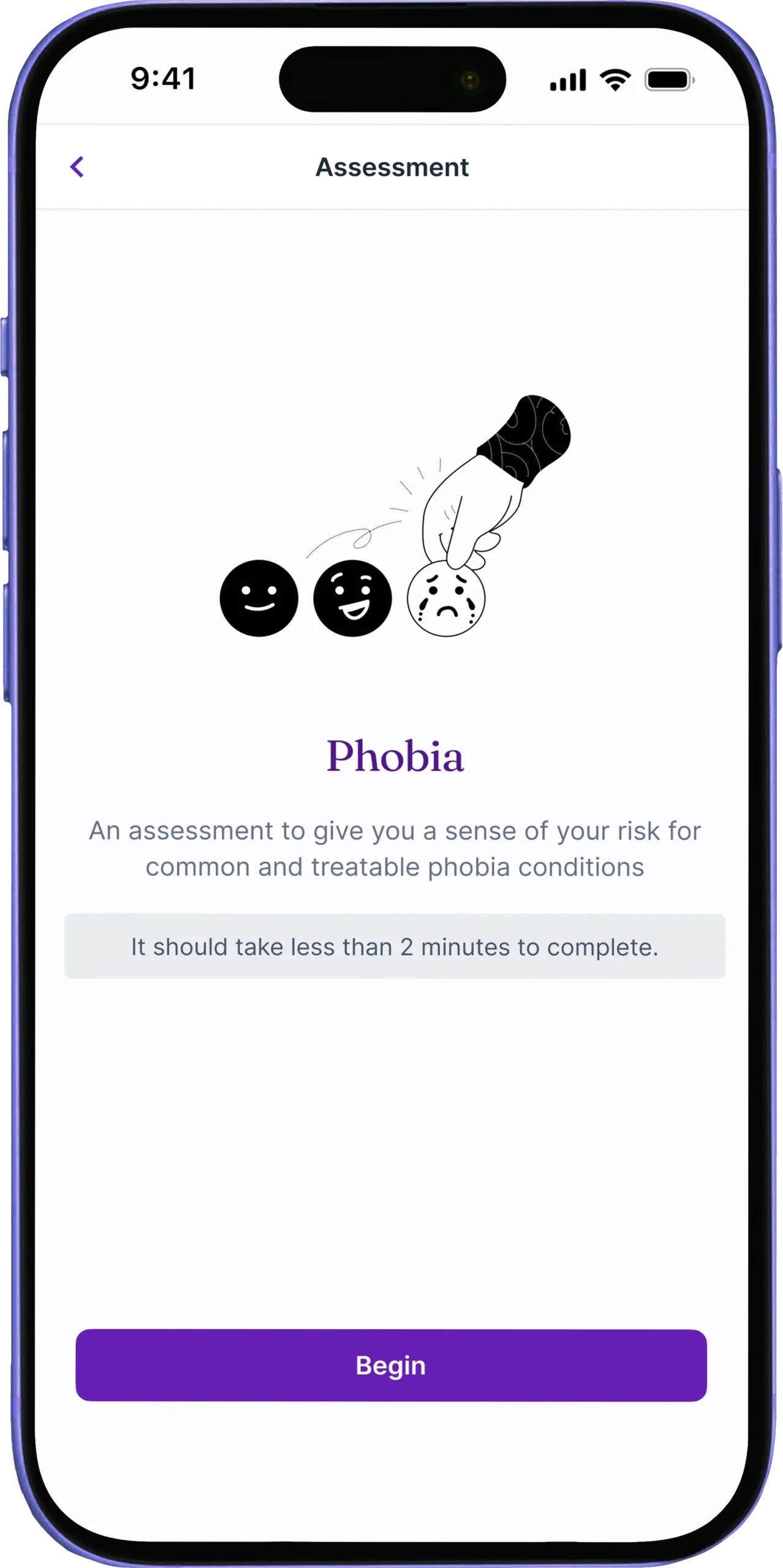
Get a tailored approach based on your unique needs and type of substance disorder.
Engage in counselling, behavioural therapy, and medication-assisted treatment if needed.
Long-term guidance to prevent relapse and maintain sobriety.
Pricing Plan
Comprehensive integrative care at a fraction of traditional specialist costs
MONTHLY PLAN
Early Care Plan
For Mild Cognitive Symptoms & Early-Stage Dementia
₹6,000/month
Specialist Care (Integrated)
-
Neuropsychiatrist / Geriatric Psychiatrist
2 Sessions per month
-
Ayurveda Psychiatrist
2 Sessions per month
Cognitive & Brain Health
-
Neuropsychiatrist / Geriatric Psychiatrist
(Memory Training Program)
1 Session per month
-
Progress Tracking & Functional Assessment
1 Session per month
Nutrition & Lifestyle
-
Clinical Nutrition Counselling
1 Session per month
- Personalised Brain Health Diet Plan
Caregiver & Family Support
-
Dedicated Care Coordinator
1 Session per month
-
Monthly Care Giver Session
(Family Education & Counselling Session)1 Session per month
MONTHLY PLAN
Early Care Plan
₹3,000/month
For healthy seniors focused on maintaining cognitive health & reducing future risk
Specialist Oversight
-
Neuropsychiatrist / Geriatric Psychiatrist
(Preventive Cognitive Risk Screening &
Baseline Assessment)1 Session per month
-
Ayurvedic Psychiatrist
(Preventive Support Protocols)1 Session per month
-
Neuropsychiatrist / Geriatric Psychiatrist
(Cognitive Monitoring & Training)1 Session per month
-
Guided Cognitive Stimulation Exercises
(Attention, Memory, Executive Function)
Nutrition & Lifestyle
-
Clinical Nutrition Counselling
1 Session per month
-
Personalised Nutrition Plan
(Aligned to Brain Health & Metabolic Profile)
Real People, Real Stories
“My social anxiety and public speaking phobia used to hold back my career, but ZILOY helped me gradually face those fears with practical exercises. Thanks to ZILOY, I now present confidently in team meetings.”
Amanda Cerny, 32, Male
Software EngineerFrequently Asked Questions
What is a substance use disorder?
A substance use disorder is a medical condition where a person cannot control their substance use despite harmful effects.
What are the early signs of substance abuse disorder?
Early signs include cravings, increased tolerance, withdrawal symptoms, and neglect of responsibilities.
How long does recovery take?
Recovery varies for each individual. Managing a substance disorder is a long-term process that requires consistent care.