Introduction: Beyond Lazy
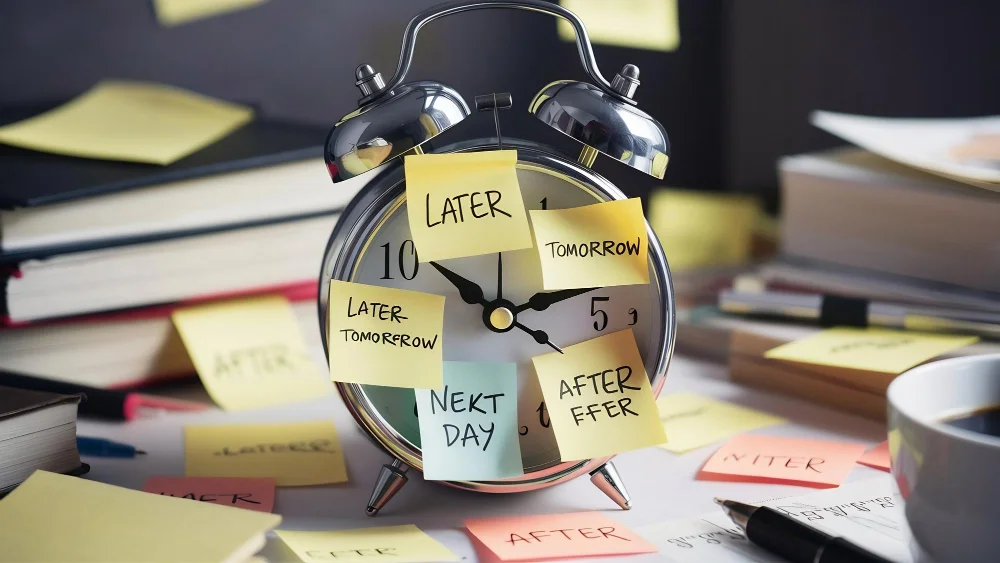
‘Stop being lazy and just do it.’ If that worked, procrastination would not be one of the most widely studied patterns in behavioural psychology.
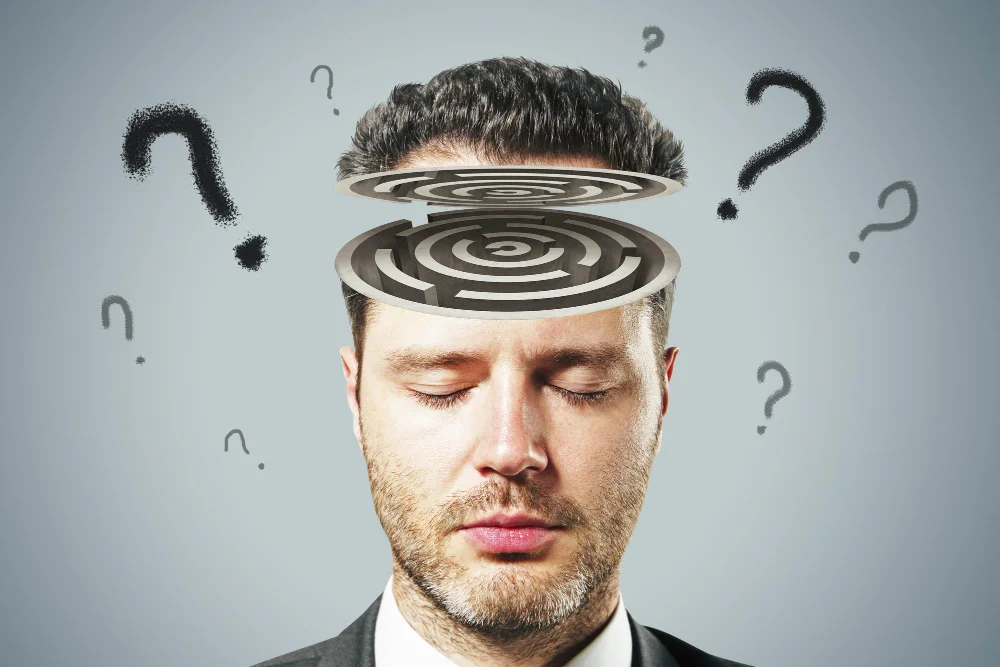
The lazy label is both inaccurate and counterproductive. Research shows that people who procrastinate often think about the avoided task constantly, feel significant guilt and anxiety about their delay, and do not enjoy the time they spend not doing it.
This is not the profile of someone who does not care. It is the profile of someone who cares deeply but has developed a pattern of avoiding the discomfort that the task generates.
Procrastination is one of the most human and most misunderstood patterns in daily life. Understanding what it actually is — and what is actually driving it in your specific case — is the only way to address it effectively.
“Procrastination is not laziness. It is fear masquerading as laziness.” — Tim Urban
Key Takeaways
- Procrastination is primarily an emotion regulation problem, not a time management or laziness problem.
- Different types of procrastinators (perfectionist, dreamer, worrier, crisis-maker) need different solutions.
- Avoidance relieves short-term discomfort but increases long-term anxiety and self-judgment.
- The most effective interventions target the emotional triggers, not just the behavior.
What Procrastination Really Is
The most widely accepted contemporary definition of procrastination is the voluntary delay of an intended course of action despite expecting to be worse off for the delay.
Two elements of this definition matter: voluntary (it is a choice, not an inability) and despite knowing the cost (procrastinators generally know they are making things worse, and do it anyway).
Research over the past two decades has moved increasingly away from characterising procrastination as a time management problem and toward seeing it as an emotion regulation problem. The task does not get delayed because the person lacks time or skills to do it. It gets delayed because doing it generates uncomfortable emotions — anxiety, boredom, self-doubt, resentment, frustration — that avoidance temporarily relieves.
This reframe is important because it changes both the diagnosis and the treatment.
Four Types of Procrastinators
| Type | Core Driver | Typical Pattern | What Helps |
| The Perfectionist | Fear of imperfection/judgment | Delays starting or finishing to avoid exposure | Lower standards; rough draft permission |
| The Dreamer | Preference for ideas over execution | Plans extensively but rarely implements | Action steps; accountability structures |
| The Worrier | Anxiety about outcomes or change | Avoids change-initiating tasks; stays with what is safe | Exposure; breaking changes into tiny steps |
| The Crisis-Maker | Thrives under pressure; boredom avoidance | Waits for deadline pressure to motivate | Artificial deadlines; urgency creation |
Most people are a blend of types, and the pattern may vary by domain. Understanding your type is the starting point for choosing the right strategy.
The Emotional Regulation Model
The emotional regulation model of procrastination, developed substantially by Timothy Pychyl and Fuschia Sirois, proposes that procrastination is essentially a short-term mood repair strategy.
When a task generates unpleasant emotions — anxiety about failure, boredom, resentment at having to do something you do not want to do, self-doubt about your capability — the brain looks for relief. Avoidance provides that relief immediately. Netflix provides it immediately. Social media provides it immediately.
The problem is temporal: the relief is short-term, while the cost — increased anxiety about the undone task, guilt, damage to self-image, eventual worse outcomes — is long-term. Procrastination is the choice of short-term emotional comfort over long-term wellbeing.
The Toll of Avoidance
Every time you avoid a task, you get a small dose of relief — which reinforces the avoidance. But you also get an incremental increase in anxiety about the task (which is now even more overdue), a reduction in self-trust (you said you would do it and did not), and a growing sense of your own unreliability.
Over time, chronic procrastinators often experience higher levels of stress, lower life satisfaction, and more health problems than non-procrastinators — not because they are doing less, but because the psychological cost of constant avoidance compounds.
What Keeps Procrastination Going
Task Aversiveness
Some tasks are genuinely unpleasant — tedious, confusing, frustrating, or connected to feared outcomes. The more aversive the task feels, the stronger the pull toward avoidance. Reducing task aversiveness (by clarifying what specifically feels threatening, breaking the task into more manageable components, or reframing its meaning) directly addresses the avoidance trigger.
Low Self-Efficacy
When you doubt your ability to do something successfully, the anticipated failure makes starting feel pointless or threatening. Why begin something you are already sure you will fail at? Building competence in the specific area, or lowering the required standard for the first attempt, addresses the self-efficacy gap.
Impulsivity
For some people, procrastination is related to difficulty resisting immediate rewards over delayed ones. This is not a moral failing but a self-regulation capacity that varies between individuals and can be strengthened through deliberate practice and environmental design.
Evidence-Based Strategies to Stop Procrastinating
Name the Specific Emotion
Before trying to manage the procrastination behaviourally, spend three minutes identifying the specific emotion driving the avoidance. Not ‘I don’t want to do this’ but ‘I feel anxious that I will do it wrong and look incompetent.’ Naming the emotion precisely activates the prefrontal cortex and reduces the amygdala response — literally making the task feel less threatening.
The Two-Minute Rule
If an action takes less than two minutes, do it now. For longer tasks, commit to starting for just two minutes with full permission to stop after. The most difficult part of any avoided task is beginning. Two minutes of imperfect action dissolves the barrier that avoidance has built.
Implementation Intentions
Research by Peter Gollwitzer shows that forming specific if-then plans (‘When X happens, I will do Y’) significantly increases follow-through compared to general intentions (‘I will do this task’). ‘At 9am on Monday, I will sit at my desk and write the first paragraph of the report’ is far more actionable than ‘I need to write that report.
Self-Compassion After Delay
Research by Kristin Neff and Michael Wohl shows that self-forgiveness for previous procrastination actually reduces future procrastination — while self-criticism increases it. The guilt spiral keeps you stuck. Self-compassion creates space to start again.
Environmental Design
Make the avoided task easier to start and distracting activities harder to access. Close unnecessary browser tabs. Put your phone in another room. Set up your workspace before the session ends so the next session can begin immediately. The environment shapes behaviour as powerfully as willpower does.
Frequently Asked Questions
Why do I procrastinate even when I want to do the task?
Wanting to do something and feeling motivated to start it are two different states. Even tasks you genuinely want to complete can generate anxiety, uncertainty, or difficulty getting into a productive state. Procrastination in this context is usually about the gap between where you are now and where you need to be to produce good work — and the discomfort that gap creates.
Is procrastination a sign of ADHD?
Procrastination is a common experience for people with ADHD, but it is not exclusive to ADHD and does not by itself indicate a diagnosis. ADHD-related procrastination often involves difficulty initiating tasks, distraction, and impulsivity rather than purely emotional avoidance. If you suspect ADHD, a professional assessment is the appropriate route.
How do I stop procrastinating on something I really hate doing?
Tasks that are genuinely aversive require specific strategies: shortening the session length (10 minutes of the hated task is more achievable than an hour), pairing the task with something enjoyable (specific music, a reward afterward), reducing perfectionism around quality, and committing to doing it before anything more enjoyable in the day — getting it over with reduces its weight.
Does procrastination get better on its own?
Generally, no. Without addressing the underlying emotional drivers or building new habits, procrastination tends to persist and often worsens under increased life pressure. The good news is that it responds well to specific interventions — including self-compassion, implementation intentions, environmental design, and addressing the perfectionist or anxiety-based roots.
From Delay to Direction
Procrastination is not a character flaw. It is a habit — a very understandable response to discomfort that has been practised enough to become automatic. And like any habit, it can be changed with the right understanding and the right tools.
The key is to stop fighting the feeling of not wanting to start and to start anyway — not through willpower alone, but through building the conditions (emotional, environmental, cognitive) that make starting more natural.
The task you have been avoiding is not getting easier in your mind. The only thing that will reduce its power is to begin it. Imperfectly. Right now.
Book your psychiatric consultation with ZILOY.
Medical disclaimer: This article is for general information only and is not a substitute for personalised medical advice, diagnosis or treatment. If you are in crisis or concerned about your immediate safety, contact your local emergency number or a crisis helpline right away.