
1. Symptoms
This condition involves an excessive preoccupation about perceived defects in one’s appearance, even when these perceived flaws may be minor or imaginary, and others may not even notice them. Examples of it can be, being convinced that one’s nose is too large or not straight even when others find it perfectly normal.
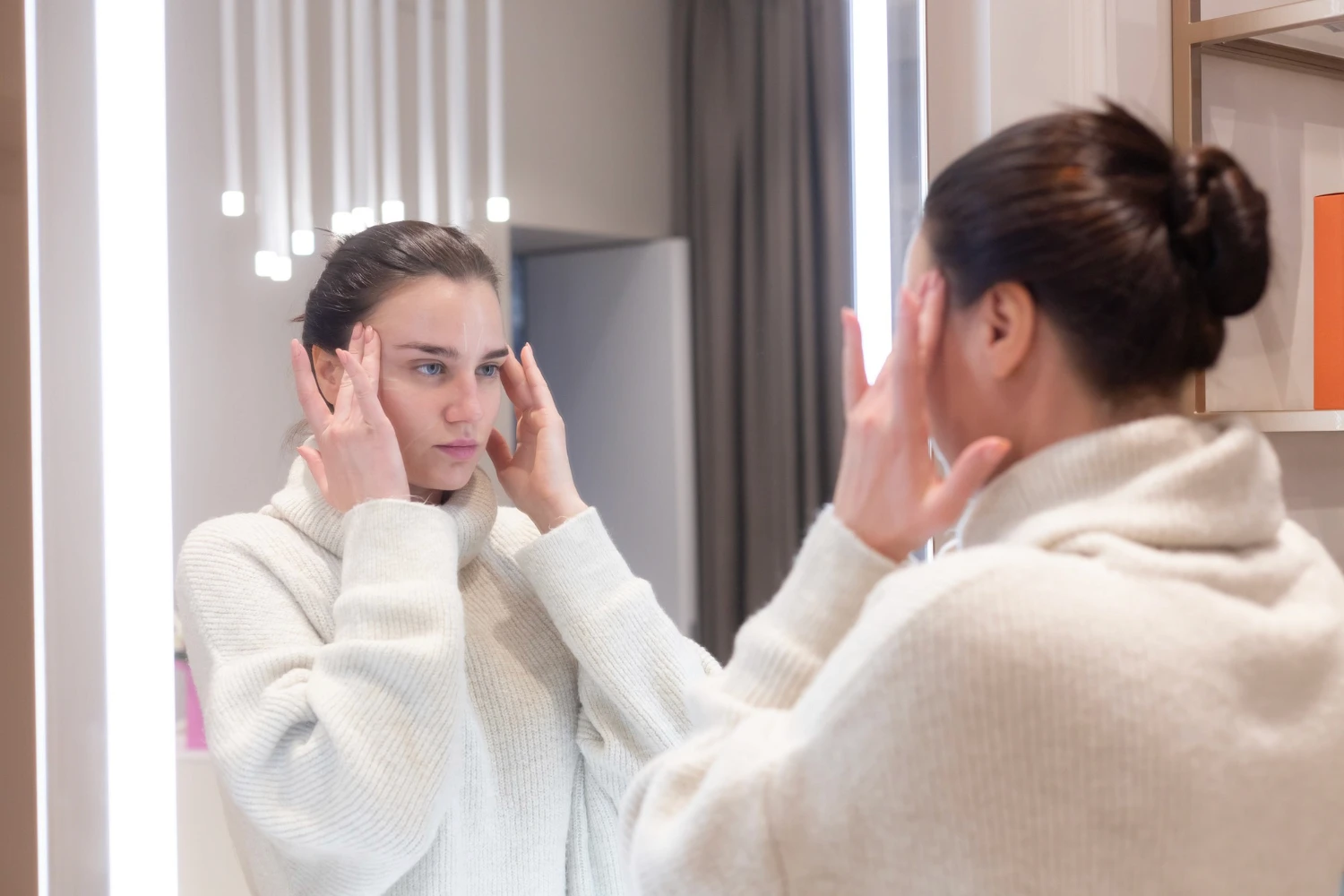
The common symptoms of Body Dysmorphic Disorder (BDD) are repetitive behaviours such as excessive checking of appearance in mirrors, picking or manipulating the perceived blemishes or imperfections and excessive grooming like hair-styling or applying makeup to camouflage or hide the perceived flaws. They are most of the time lost in worry imagining oneself as defective, comparing and feeling inferior to others in appearance and planning treatment to fix the flaw.
They also engage in reassurance seeking by asking others about appearance, though they never feel convinced even when reassured. They experience marked distress that interferes with their overall functioning in their daily life.
2. Latest statistics
BDD affects roughly 1-2% of the general population, although some estimates range up to 7%. It appears to be more common in females, with a female-to-male ratio of 2:1 or even higher. It typically starts in adolescence or early adulthood, with an average age of onset around 17-18 years. Some studies suggest a higher prevalence of BDD in Western societies, possibly due to the higher emphasis on physical appearance and media portrayal of unrealistic beauty standards.
3. How can one know that they are suffering from BDD ?
Some signs that might suggest BDD are
Excessive Preoccupation with Appearance: If the person is constantly thinking about perceived flaws in your appearance to the extend that it is interfering with focus in other areas of life and affecting one’s self worth.
Engaging in Repetitive Behaviours such as frequent mirror checking, skin picking, excessive grooming, or seeking reassurance about your appearance. These behaviours negatively impact one’s daily life, relationships, work, or school?
Significant Distress & Impairment: These thoughts and behaviours related to one’s appearance cause significant distress or anxiety, and they hinder with the person’s ability to function normally.
4. What kind of treatments do people do look for fixing their appearance and feel better during this time?
Individuals with BDD might seek out cosmetic or medical treatments due to their strong desire to change their appearance. However, such treatments are not recommended, and are often counterproductive. BDD stems from distorted self-perception and obsessive thoughts, not the actual physical features per se. Cosmetic procedures aim to change the body, but they cannot address the underlying cognitive and emotional problems fuelling the BDD symptoms. In most cases, cosmetic procedures would fail to meet the unrealistic expectations of the person with BDD, leading to increased dissatisfaction, disappointment, and distress. This can worsen the obsessive thoughts and compulsive behaviours associated with the condition. Also, the temporary nature of some procedures such as Botox, skin-tightening and facelifting procedures can trigger a cycle of repeated interventions, seeking the next “fix” to address the persistent negative self-image, worsening the BDD, besides the physical and financial harm.
5. What are the causes ?
Cause of BDD is due to a complex interplay of biological, psychological and socio-cultural factors rather than a single causative factor.
Biological factors: Imbalances in certain brain chemicals, like serotonin and dopamine, might contribute to obsessive thoughts and compulsive behaviours associated with BDD. Genetic factors such as having a close family member with BDD or other mental health conditions like OCD or depressive disorder increases the risk of developing it. Brain abnormalities in structure and function might be linked to BDD mediated by abnormalities in processing of emotions and visual information.
Psychological factors: Negative self-image resulting in low self-esteem and a harsh inner critic, negative childhood experiences like bullying, teasing, or abuse related to appearance, perfectionism or having excessively high standards and intolerance to flaws in appearance are psychological causes that contribute to BDD and body image concerns.
Social and cultural factors: Societal emphasis on unrealistic beauty ideals and media portrayal of “perfect” physiques can contribute to body dissatisfaction and self-comparison, triggering BDD in vulnerable individuals.
BDD often co-occurs with other mental health conditions like anxiety, obsessive-compulsive disorder (OCD) and depression.
6. Does Social Media have a major role to play in it? How?
Social media plays a significant role in Body Dysmorphic Disorder (BDD). The social media culture often emphasises looks and physical attractiveness as defining one’s self-worth and social value. Social media platforms are often filled with highly curated and edited images showcasing “perfect” bodies and appearances. Platforms like Instagram and Facebook encourage comparing oneself to others, often leading to negative social comparisons for people with BDD that can trigger feelings of insecurity, shame, and anxiety. This leads to intensifying of their preoccupation with appearance.
The pressure to present a “perfect” online persona and the fear of missing out (FOMO) on social experiences can heighten anxiety and insecurity for young people who value acceptance and popularity a lot. Online harassment or negative comments about appearance on social media can be incredibly damaging and exacerbate their existing insecurities.
7. What are the plausible treatments and therapies for it? ( both medications and psychological healing)
A combination of psychological therapies and medication have been shown to be most effective in managing Body Dysmorphic Disorder (BDD).
The four most effective and evidence-based psychotherapies are:
Acceptance and Commitment Therapy (ACT): This therapy helps individuals manage their distressing thoughts and feelings about their appearance and commit to living a meaningful life aligned with their values, without getting overwhelmed by their perceived flaws.
Cognitive Behavioural Therapy (CBT): CBT helps individuals identify and challenge distorted thoughts and beliefs about their appearance, leading to more realistic self-perception and reduced anxiety. It also teaches coping mechanisms to manage obsessive thoughts and compulsive behaviours related to appearance, like mirror checking or reassurance seeking.
Exposure and Response Prevention (ERP): This specific type of CBT gradually exposes individuals to situations that trigger their BDD symptoms while building their skill to resist compulsive behaviours. This helps to break the cycle of anxiety and avoidance in BDD.
Body Image Therapy: This therapy works on challenging unrealistic beauty standards, developing a more positive and accepting body image and better self-compassion.
The most commonly prescribed medication for BDD are Selective Serotonin Reuptake Inhibitors (SSRIs) that help reduce anxiety, depression, and obsessive-compulsive symptoms often associated with the condition. Other medications like antipsychotics or mood stabilizers may be used in combination with SSRIs, as second-line treatments based on individual needs and response.
8. Tips for dealing with it
Develop self-acceptance and compassion: Refraining from self-criticism, and constantly comparing oneself to others is necessary to have a healthy self-image.
Manage emotions and thoughts with mindfulness: Practice mindfulness techniques like meditation and present awareness to manage difficult emotions and self-judgmental thoughts.
Limit social media: Reduce time spent on platforms that trigger negative comparisons or exacerbate body image concerns.
Focus on your values: Define what’s important to you in life beyond appearance. Pursue value-based goals to find meaning and purpose.
Practice self-care: Engage in activities you enjoy that promote relaxation and well-being. Prioritize healthy sleep, balanced diet and exercise.
Seek Professional Help: A qualified mental health professional can provide diagnosis, support, and evidence-based personalised treatment plans tailored to your needs.
Consider support groups: Connect with others who understand your struggles. Sharing experiences and learning from others can be incredibly helpful in not feeling alone in the struggle with BDD.