
Introduction
Have you ever experienced stomach discomfort before an important meeting, felt butterflies when you were nervous, or noticed changes in your digestion during stressful periods? These experiences highlight the close relationship between your gut and brain.
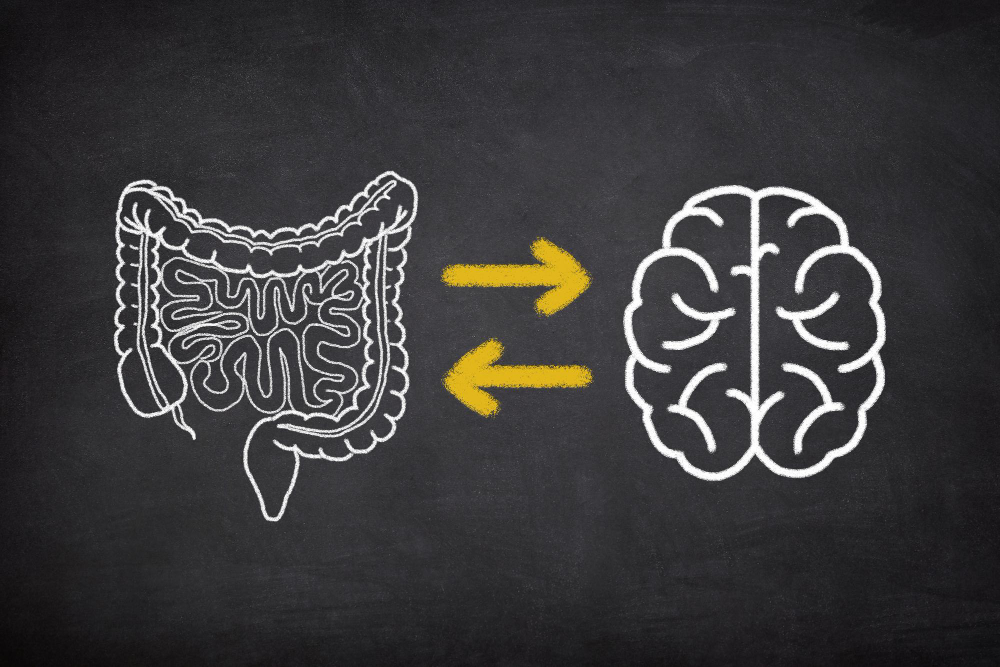
The gut-brain connection describes the two-way communication between your digestive system and your brain. This communication involves nerves, hormones, immune signals and microorganisms living in your gut.
Your digestive health and mental wellbeing are influenced by many factors, including stress, sleep, diet, physical activity and underlying health conditions. Researchers are continuing to explore how the gut microbiome may be involved in mood and emotional wellbeing.
Understanding this connection can help you make informed choices to support your overall health.
Key Takeaways
- The gut and brain communicate through interconnected nerve, immune and chemical signalling pathways.
- Stress can affect digestion, while digestive discomfort may add to emotional distress.
- The gut microbiome is an important area of research into the relationship between digestive and mental health.
- A balanced diet, regular physical activity, sufficient sleep and stress management support overall wellbeing.
- Persistent digestive symptoms or mental health concerns deserve appropriate professional attention.
What Is the Gut-Brain Connection?
The gut-brain connection refers to the communication network between your gastrointestinal system and your central nervous system, which includes your brain and spinal cord.
This relationship works in both directions. Your brain can influence digestive activity, and signals from your digestive system can communicate information to your brain.
For example, stress may affect appetite, bowel movements or stomach comfort. Similarly, ongoing digestive discomfort can affect sleep, daily activities and emotional wellbeing.
The gut-brain connection does not mean that every digestive problem is caused by stress or that gut health alone determines mental health. Instead, it shows why physical and emotional wellbeing are worth considering together.
How Does the Gut-Brain Axis Work?
The gut-brain axis is the communication system connecting your digestive tract and brain. Several pathways help carry information between them.
The vagus nerve
The vagus nerve is an important communication pathway between the brain and internal organs, including parts of the digestive system. It helps regulate functions such as digestion and carries signals in both directions.
The gut microbiome
Your gut contains a community of microorganisms, including bacteria, that make up the gut microbiome. These microorganisms help with digestion and other biological processes.
Researchers are investigating how the microbiome interacts with the nervous and immune systems and how these interactions may relate to mental wellbeing.
Chemical and immune signals
The gut and brain also communicate through chemical messengers and immune signalling. These processes help regulate bodily functions and are part of the complex relationship between digestion, stress and the nervous system.
Together, these pathways show that gut health and brain function are connected, although the exact effects on an individual’s mood or mental health can vary.
Can Gut Health Affect Mental Health?
Gut health and mental health are connected, but the relationship is complex. Research has explored associations between the gut microbiome and conditions such as anxiety and depression. However, these findings do not establish that poor gut health directly causes a mental health condition.
Several factors may contribute to both digestive symptoms and emotional distress, including stress, sleep disruption, diet, medications and existing medical conditions.
For some people, digestive discomfort can become an additional source of worry or interfere with everyday activities. For others, emotional stress may contribute to changes in appetite or bowel habits.
It is therefore useful to consider physical symptoms and emotional wellbeing together rather than assuming one is always responsible for the other.
What can you do? Start by noticing patterns in your digestion, sleep, eating habits and stress levels. Maintaining balanced daily habits can support general health, while persistent symptoms may require assessment by a healthcare professional.
How Does Stress Affect Your Gut?
Stress activates the body’s response systems, which can influence digestion, appetite and bowel activity. The effects differ from person to person.
During stressful periods, some people experience:
- Stomach discomfort or a feeling of tightness.
- Changes in bowel movements.
- Reduced appetite or increased cravings.
- Bloating or nausea.
- Difficulty maintaining regular eating habits.
These symptoms can also have causes unrelated to stress, so persistent or severe symptoms should not automatically be attributed to emotional factors.
The stress-digestion feedback loop
When digestive discomfort affects your daily routine, it may add to your stress. That stress can, in turn, affect digestive function, creating a cycle that can be difficult to manage.
A regular sleep schedule, gentle physical activity, balanced meals and relaxation practices may help support overall wellbeing. If stress is affecting your ability to function, professional support can help you explore appropriate options.
If you have concerns about your emotional wellbeing, consider taking the ZILOY Mind Check. It is a starting point for reflection, not a diagnosis.
Take Your FREE 2 min Gut Health Check.
The Gut Microbiome and Mental Wellbeing
The gut microbiome consists of microorganisms that live in your digestive tract. Its composition can be influenced by factors such as diet, medications, age and environment.
Scientists are studying how these microorganisms interact with the gut lining, immune system and nervous system. Some research suggests associations between microbiome differences and mental health conditions, but the evidence is still developing.
It is important not to interpret these findings as proof that a particular gut microorganism causes anxiety or depression.
How can you support your gut microbiome?
- Eat a varied diet that includes vegetables, fruits, legumes and whole grains.
- Increase fibre gradually, according to your tolerance.
- Drink enough fluids.
- Include suitable sources of fermented foods if you enjoy and tolerate them.
- Avoid unnecessary restrictive diets or supplements without appropriate guidance.
There is no single diet or supplement that works for everyone. If you have a digestive condition, food intolerance or specific nutritional needs, speak with a qualified healthcare professional or registered dietitian.
Can Gut Health Affect Your Mood?
Your mood is influenced by many interconnected factors, including sleep, stress, physical health, relationships and life circumstances. Digestive discomfort may be one factor that affects how you feel, but it is not the only explanation.
Stress and anxiety
Stress can influence digestive function, and uncomfortable digestive symptoms may increase distress for some people. This relationship does not mean that digestive problems are the cause of an anxiety disorder.
Sleep and emotional wellbeing
Digestive discomfort may interfere with sleep, while poor sleep can make stress harder to manage. Maintaining a consistent sleep routine supports overall health.
If sleep difficulties are persistent, explore appropriate support rather than assuming the problem is solely related to gut health.
Brain fog and concentration
Poor sleep, stress, illness, medications and other factors may affect concentration or mental clarity. Although some people report these experiences alongside digestive symptoms, brain fog is not a specific sign of an unhealthy gut.
If concentration difficulties continue or affect daily life, seek medical advice to explore possible causes.
Signs Your Gut and Stress Levels May Be Connected
You may notice that your digestive symptoms change during stressful periods. For example:
- Your stomach feels uncomfortable before a stressful event.
- Your appetite changes when you feel worried.
- Your bowel habits vary during demanding weeks.
- Digestive discomfort affects your sleep or routine.
- You notice a pattern between stressful situations and digestive symptoms.
Keeping a simple diary of meals, symptoms, sleep and stressful events may help you identify patterns to discuss with a healthcare professional.
These observations cannot confirm that stress is causing your symptoms. Digestive changes may have several explanations, and persistent symptoms deserve proper evaluation.
If emotional distress is affecting your everyday life, a mental wellbeing check-in may help you reflect on how you are feeling.
Take Your FREE 2 min Gut Health Check.
8 Ways to Support Your Gut and Mental Wellbeing
You do not need to make dramatic lifestyle changes to begin supporting your overall wellbeing. Start with manageable habits and adjust them to your needs.
Eat a balanced, varied diet
Include a variety of vegetables, fruits, whole grains, legumes, nuts and other nutritious foods that suit your dietary requirements. Variety helps provide the nutrients and fibre needed for general health.
Include fibre-rich foods
Fibre is found in foods such as oats, beans, lentils, vegetables and fruit. Increase your intake gradually and drink enough water, as a sudden increase may cause discomfort for some people. If you have a digestive condition that requires dietary adjustments, seek individualised advice.
Avoid unnecessarily restrictive eating
Focus on a balanced diet rather than completely eliminating entire food groups without a clear reason. Unnecessary restrictions can make it harder to meet your nutritional needs. If you suspect a food intolerance or allergy, consult a qualified healthcare professional before making major dietary changes.
Stay hydrated
Drinking enough water supports normal bodily functions and can help maintain regular bowel movements. Your fluid needs vary depending on your activity, climate and health.
Maintain a consistent sleep routine
Try to go to bed and wake up at consistent times. A relaxing bedtime routine and a comfortable sleep environment may support better sleep quality. If ongoing sleep problems affect your daily life, consider seeking professional guidance.
Practise stress management
Breathing exercises, mindfulness, journaling, relaxing hobbies and time with supportive people may help you manage everyday stress. Choose practices that feel realistic and helpful for you. If stress or anxiety is persistent, professional mental health support may be beneficial.
Include regular physical activity
Walking, stretching, yoga or other activities you enjoy can support physical health, sleep and emotional wellbeing. Start at a comfortable level and adapt your activity to your abilities and medical needs.
Listen to your body and seek guidance
Notice changes in digestion, sleep, appetite and mood without trying to diagnose yourself. Avoid relying on online symptom lists alone. A healthcare professional can help investigate persistent symptoms and recommend appropriate care.
When Should You Talk to a Healthcare Professional?
Lifestyle habits can support general wellbeing, but they cannot replace medical evaluation when it is needed.
Consider speaking with a healthcare professional if you experience:
- Persistent or recurring digestive discomfort.
- Unexplained changes in bowel habits.
- Ongoing sleep difficulties or fatigue.
- Anxiety, low mood or stress that interferes with everyday life.
- Symptoms that continue despite reasonable lifestyle adjustments.
Seek urgent medical attention for warning signs such as severe abdominal pain, blood in your stool, black stools, persistent vomiting or signs of significant dehydration.
A qualified professional can help determine whether your symptoms are related to digestive health, stress, another medical condition or a combination of factors.
If you are struggling emotionally, a mental health professional can help you understand your concerns and explore suitable support.
Frequently Asked Questions
What is the gut-brain connection, and how does it work?
The gut-brain connection is the two-way communication network between your digestive system and brain. It involves nerves such as the vagus nerve, chemical messengers, immune signals and interactions with the gut microbiome.
Can gut health affect mental health and mood?
Gut health and mental wellbeing may be related, and research continues to explore the role of the gut microbiome. However, mental health is influenced by many factors, and current evidence does not mean that poor gut health directly causes anxiety or depression.
How does stress affect gut health?
Stress can influence appetite, digestion and bowel activity. Some people notice digestive symptoms during stressful periods, although digestive symptoms can also have other causes.
What is the role of the gut microbiome in mental wellbeing?
The gut microbiome supports several biological processes and interacts with the immune and nervous systems. Researchers are investigating how these interactions relate to mental wellbeing, but many questions remain unanswered.
How can I support my gut health and mental wellbeing naturally?
Eating a varied, balanced diet, staying hydrated, maintaining a consistent sleep routine, exercising regularly and practicing stress management can support general health. Persistent digestive or mental health symptoms should be discussed with a qualified professional.
The Gut-Brain Connection
Your gut and brain are closely connected, influencing digestion and interacting with the systems involved in stress, sleep and emotional wellbeing. Although research into the gut microbiome and mental health is developing, there is no single food or lifestyle change that guarantees better mental health.
Start with manageable habits: eat a balanced diet, sleep consistently, stay active and find practical ways to manage stress. Pay attention to persistent symptoms and seek professional guidance when needed.
Your physical and emotional wellbeing both deserve attention.
Take Your FREE 2 min Gut Health Check.
Medical disclaimer: This article is for general information only and is not a substitute for personalised medical advice, diagnosis or treatment. If you are in crisis or concerned about your immediate safety, contact your local emergency number or a crisis helpline right away.