
ADHD is more than occasional distraction it is a neurodevelopmental condition that affects focus, impulsivity, organisation, and emotional regulation. Access expert-led ADHD treatment designed to help you thrive at school, work, and home.
Living with ADHD can feel exhausting, frustrating, and misunderstood. Our structured care plans combine clinical expertise with personalised support to improve attention, emotional control, and daily performance.
Work with clinicians experienced in adult ADHD, childhood ADHD, inattentive ADHD, and hyperactive-impulsive ADHD.
Every care plan is tailored using therapy, behavioural coaching, lifestyle guidance, and ADHD medication when clinically appropriate.
Monitor focus levels, routines, mood, and productivity through our digital care platform while your care team adjusts your treatment plan proactively.
Work with experts trained in anxiety disorders, including social phobia and specific phobias.
Tailored interventions like CBT and exposure therapy designed for your unique phobia triggers.
Monitor your anxiety levels and responses to treatment in real-time for continuous improvement.
ADHD, or Attention-Deficit/Hyperactivity Disorder, is a neurodevelopmental condition that affects how the brain regulates attention, impulse control, motivation, and executive functioning. Many people searching for “what is ADHD” often discover that ADHD impacts far more than concentration alone.
The ADHD meaning goes beyond being “easily distracted.” It can affect relationships, work performance, academic success, emotional balance, and self-confidence. An accurate ADHD diagnosis helps identify the root causes of these challenges and opens the door to effective ADHD treatment options.
ADHD symptoms can vary from person to person. Some people struggle mainly with inattention, while others experience hyperactivity and impulsive behaviours.
Many adults live for years without realising their struggles are linked to ADHD symptoms. Early ADHD diagnosis can improve long-term outcomes significantly.
ADHD affects both the brain and body in everyday life.

Mental fatigue, racing thoughts, poor concentration, emotional impulsivity, low self-esteem, and difficulty managing stress.

Sleep disruption, restlessness, burnout, inconsistent energy levels, and chronic overwhelm caused by executive dysfunction.

ADHD is linked to differences in dopamine regulation and executive functioning pathways in the brain. Evidence-based ADHD treatment helps improve focus, emotional regulation, and behavioural consistency through therapy, coaching, and ADHD medication.
Mental fatigue, racing thoughts, poor concentration, emotional impulsivity, low self-esteem, and difficulty managing stress.
Sleep disruption, restlessness, burnout, inconsistent energy levels, and chronic overwhelm caused by executive dysfunction.
ADHD is linked to differences in dopamine regulation and executive functioning pathways in the brain. Evidence-based ADHD treatment helps improve focus, emotional regulation, and behavioural consistency through therapy, coaching, and ADHD medication.
A professional ADHD diagnosis can help clarify symptoms and guide the right ADHD treatment plan for long-term improvement.
ADHD exists on a spectrum. Symptoms become severe when they begin affecting education, work, relationships, safety, or emotional health consistently.
Red Flags of Severe ADHD
A professional ADHD diagnosis can help clarify symptoms and guide the right ADHD treatment plan for long-term improvement.
How It Works
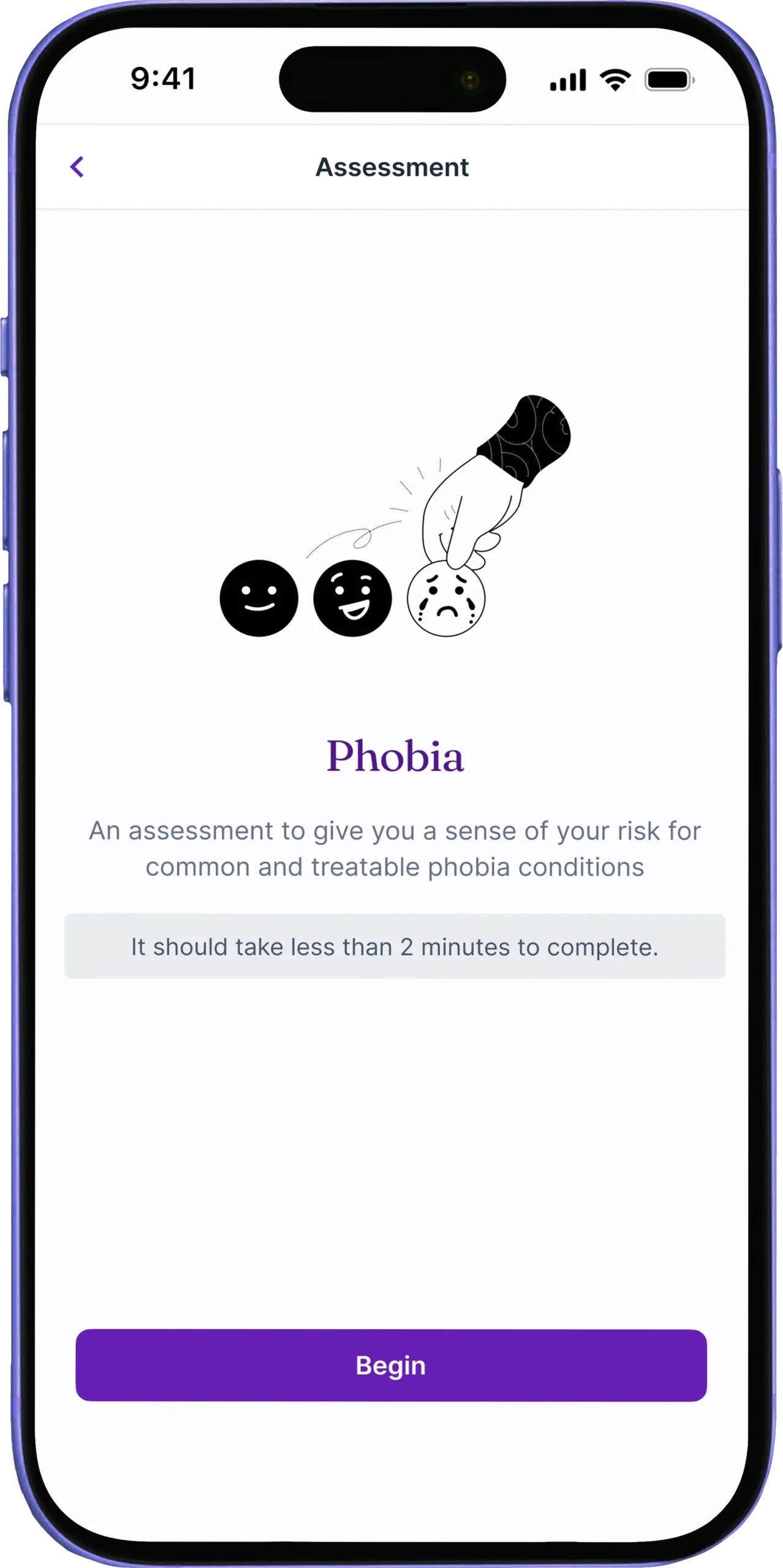
Take a clinically guided ADHD test to help our specialists understand your symptoms, behavioural patterns, and focus challenges.
Meet with a licenced clinician through secure video consultation for a comprehensive ADHD diagnosis online experience.
Receive a customised care plan that may include therapy, behavioural coaching, lifestyle interventions, and ADHD medication management.
Track focus, productivity, routines, and emotional wellbeing through our app while your care team fine-tunes your online ADHD treatment plan.
Yes. Our specialists provide secure and clinically guided ADHD diagnosis online consultations for eligible patients.
Not always. ADHD medication can help many people, but treatment plans may also include therapy, behavioural coaching, and lifestyle changes.
Adult ADHD symptoms often include forgetfulness, poor time management, emotional overwhelm, restlessness, and difficulty staying organised.
Yes. Online ADHD treatment can provide convenient access to therapy, medication management, and ongoing clinical support from home.