Beyond Exhausted. Reclaim Your Vitality.
Burnout isn’t just being tired; it is a state of physical, emotional, and mental depletion. Work with licensed clinicians to build a data-driven recovery plan that restores your health and professional passion.
A Clinical Exit from Survival Mode
Trying to fix burnout with a weekend off is like putting a Band-Aid on a fracture. We provide a structured, medical approach to help your system recover from long-term depletion.
Specialised Expert Matching
We pair you with clinicians who specialise in occupational burnout, compassion fatigue, and chronic stress.
Evidence-Based Strategy
Your plan combines therapeutic interventions (like CBT for work stress) with physiological support to balance cortisol and energy levels.
Proactive Monitoring
Our platform tracks your “early warning signs” of relapse, allowing for real-time intervention before you reach a breaking point.
Specialised Expert Matching
We pair you with clinicians who specialise in occupational burnout, compassion fatigue, and chronic stress.
Evidence-Based Strategy
Your plan combines therapeutic interventions (like CBT for work stress) with physiological support to balance cortisol and energy levels.
Proactive Monitoring
Our platform tracks your “early warning signs” of relapse, allowing for real-time intervention before you reach a breaking point.
What is Burnout?
Burnout is a state of chronic workplace stress that has not been successfully managed. It is characterised by three main dimensions: feelings of energy depletion, increased mental distance or cynicism from one’s job, and reduced professional efficacy.
- The Science of Burnout: Burnout is often linked to adrenal fatigue and a dysregulated nervous system. Our goal is to help you move from "survival mode" back to "thrive mode" using evidence-based medical oversight and lifestyle recalibration.
-
The Science of Burnout:
Burnout is often linked to adrenal fatigue and a dysregulated nervous system. Our goal is to help you move from "survival mode" back to "thrive mode" using evidence-based medical oversight and lifestyle recalibration.
Common Symptoms and Signs of Phobia
Emotional & Mental Symptoms
- Intense fear or panic when exposed to the trigger
- Anticipatory anxiety (fear of future exposure)
- Avoidance behaviour
- Overwhelming social phobia anxiety in social settings
Physical Symptoms
- Rapid heartbeat
- Sweating and trembling
- Shortness of breath
- Dizziness or nausea
Emotional & Mental Symptoms
- Intense fear or panic when exposed to the trigger
- Anticipatory anxiety (fear of future exposure)
- Avoidance behaviour
- Overwhelming social phobia anxiety in social settings
Physical Symptoms
- Rapid heartbeat
- Sweating and trembling
- Shortness of breath
- Dizziness or nausea
The Physical & Mental Toll
Burnout affects the body’s ability to regulate its own energy and emotions.
The Mind:
A sense of “emptiness,” profound cynicism, detachment, and the feeling that no matter how much you do, it’s never enough.
The Body:
Chronic fatigue, “brain fog,” frequent illnesses due to a suppressed immune system, and disrupted sleep patterns.
The Mind:
A sense of “emptiness,” profound cynicism, detachment, and the feeling that no matter how much you do, it’s never enough.
The Body:
Chronic fatigue, “brain fog,” frequent illnesses due to a suppressed immune system, and disrupted sleep patterns.
If you feel like you are running on empty, you don’t have to keep driving. Our medical experts provide the specialised care needed to refuel and recover.
Understanding the Spectrum:
When is it "Severe"?
It can be difficult to tell the difference between a busy season and clinical burnout. Burnout is categorised as severe when your capacity to function or care about your life has fundamentally collapsed.
Red Flags of Severe Burnout:
- Emotional Numbness: You no longer feel joy in your accomplishments or empathy for colleagues or loved ones.
- Functional Dread: The mere thought of starting your workday causes physical symptoms like nausea, tremors, or heart palpitations.
- Total Depletion: You feel exhausted even after a full night’s sleep or a long weekend; the "battery" no longer holds a charge.
- Cognitive Decline: You are experiencing significant lapses in memory, concentration, and the ability to make simple decisions (Executive Dysfunction).
- Identity Erosion: You feel like a shadow of your former self and believe your work—and by extension, yourself, no longer has value.
If you feel like you are running on empty, you don’t have to keep driving. Our medical experts provide the specialised care needed to refuel and recover.
How It Works
Your journey to Recovery in 4 Steps
Complete a specialised assessment to measure your levels of exhaustion, cynicism, and professional efficacy.
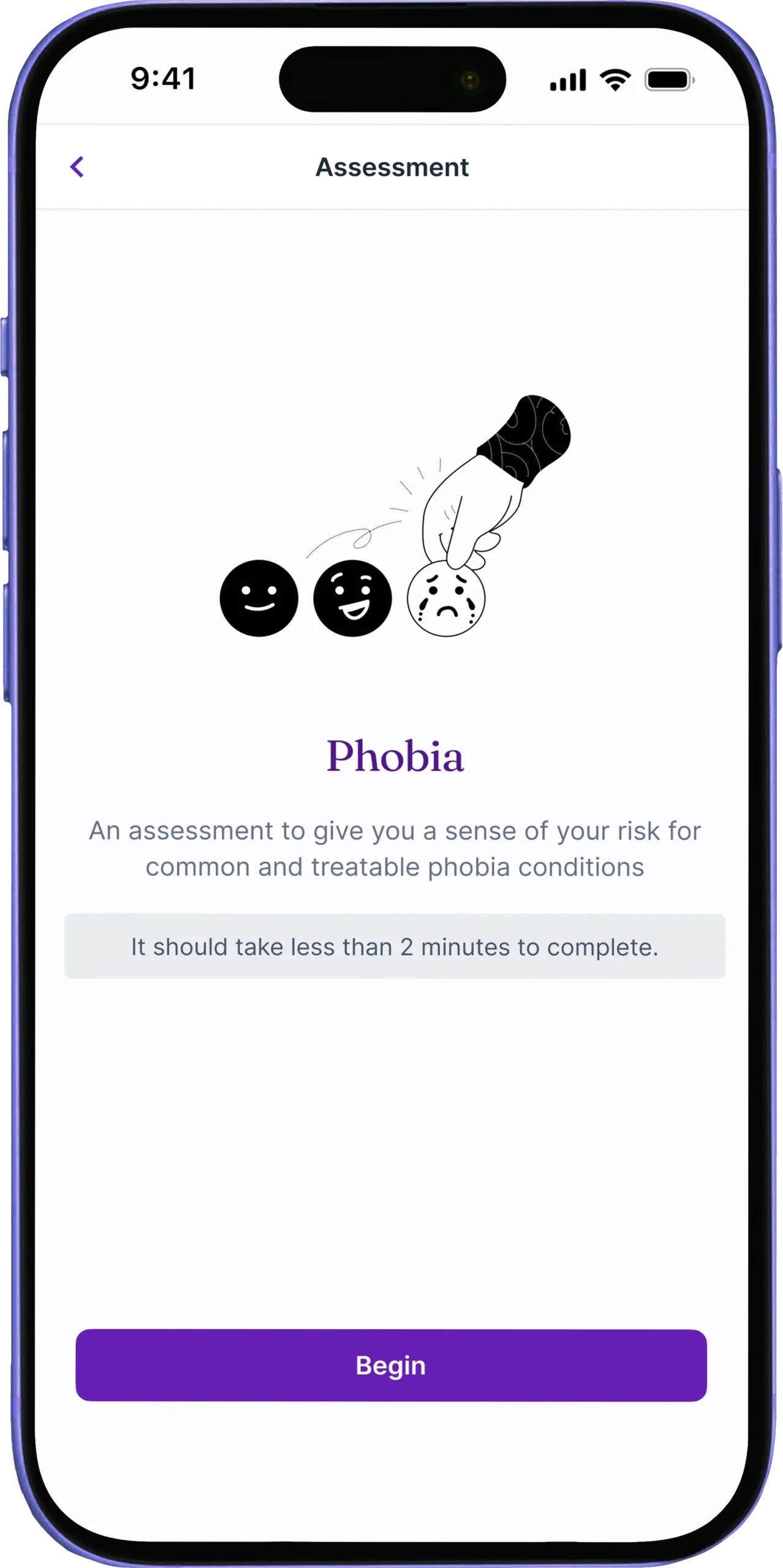
Meet with a licensed professional to analyse your environmental triggers and physical symptoms.
Receive a “Burnout Roadmap” that may include cognitive restructuring, nervous system regulation techniques, and medical support.
Use our app to track your energy levels. Your care team helps you implement boundaries and lifestyle shifts in real-time to ensure lasting recovery.
Pricing Plan
Comprehensive integrative care at a fraction of traditional specialist costs
MONTHLY PLAN
Early Care Plan
For Mild Cognitive Symptoms & Early-Stage Dementia
₹6,000/month
Specialist Care (Integrated)
-
Neuropsychiatrist / Geriatric Psychiatrist
2 Sessions per month
-
Ayurveda Psychiatrist
2 Sessions per month
Cognitive & Brain Health
-
Neuropsychiatrist / Geriatric Psychiatrist
(Memory Training Program)
1 Session per month
-
Progress Tracking & Functional Assessment
1 Session per month
Nutrition & Lifestyle
-
Clinical Nutrition Counselling
1 Session per month
- Personalised Brain Health Diet Plan
Caregiver & Family Support
-
Dedicated Care Coordinator
1 Session per month
-
Monthly Care Giver Session
(Family Education & Counselling Session)1 Session per month
MONTHLY PLAN
Early Care Plan
₹3,000/month
For healthy seniors focused on maintaining cognitive health & reducing future risk
Specialist Oversight
-
Neuropsychiatrist / Geriatric Psychiatrist
(Preventive Cognitive Risk Screening &
Baseline Assessment)1 Session per month
-
Ayurvedic Psychiatrist
(Preventive Support Protocols)1 Session per month
-
Neuropsychiatrist / Geriatric Psychiatrist
(Cognitive Monitoring & Training)1 Session per month
-
Guided Cognitive Stimulation Exercises
(Attention, Memory, Executive Function)
Nutrition & Lifestyle
-
Clinical Nutrition Counselling
1 Session per month
-
Personalised Nutrition Plan
(Aligned to Brain Health & Metabolic Profile)
Real People, Real Stories
“My social anxiety and public speaking phobia used to hold back my career, but ZILOY helped me gradually face those fears with practical exercises. Thanks to ZILOY, I now present confidently in team meetings.”
Amanda Cerny, 32, Male
Software EngineerFrequently Asked Questions
Is burnout a real medical diagnosis?
While the WHO classifies it as an occupational phenomenon, the symptoms are clinically significant and require professional intervention to prevent long-term health issues.
Do I need to quit my job to recover?
Not necessarily. Our goal is to provide you with the clinical tools and boundary-setting strategies to recover, whether you choose to stay in your current role or transition.
How long does recovery take?
Recovery varies by individual, but most members report a significant shift in energy and outlook within the first 4 to 8 weeks of our clinical program.