

Table of contents
Contributors

Dr. Narayanan Mooss
Ayurvedic Psychiatrist

Ms. Muktha
Clinical Psychologist
Key Take Aways
Maintaining a consistent sleep and wake schedule every day is one of the most effective ways to support healthy sleep and regulate the body’s internal clock. Reducing light exposure before bedtime especially bright screens and overhead lighting helps stimulate natural melatonin production, while avoiding caffeine after midday and limiting heavy late-night meals can prevent unnecessary sleep disruption. For long-term insomnia management, behavioural approaches such as Cognitive Behavioural Therapy for Insomnia (CBT-I) are often more effective and sustainable than relying primarily on sleep medications.
Full Article
Restoring Your Natural Rhythm in a High-Stimulus World
For instance, you might wonder:
- Can I "catch up" on sleep during the weekend?
- Are natural supplements like Melatonin safe?
- Does exercise help you sleep?
All of these questions are normal and it’s understandable that you want to support your loved one to the best of your ability
While your questions are valid, it’s also important to understand that every person’s experience with depression is unique, so there are a few things you can do to help your loved one and yourself.
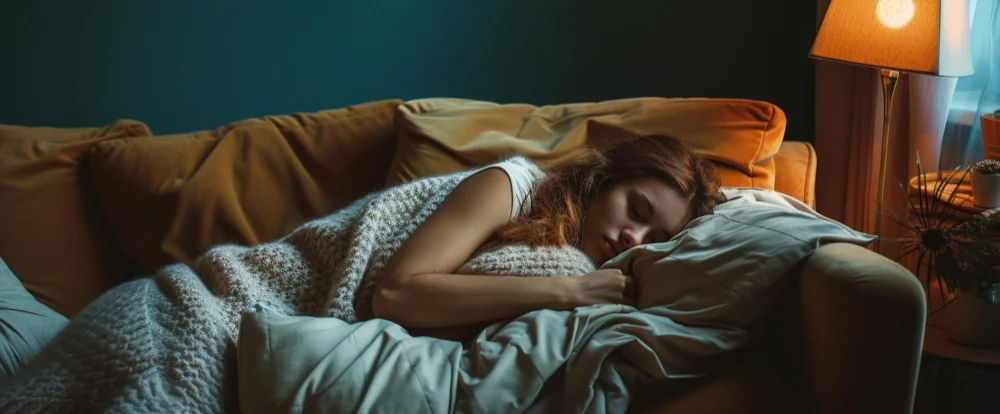
Understanding the Mechanics of Sleep Problems
Sleep isn’t just “downtime”; it’s a complex biological process where the brain flushes out toxins and encodes memories. When we experience sleep problems, we aren’t just tired—we are functionally impaired. From obstructive sleep apnea to restless leg syndrome, understanding the underlying physiology is the first step toward recovery.
“In a world that never slows down, protecting your sleep is one of the most powerful forms of self-care.”
The Psychological Toll of Insomnia
Anxiety and sleep have a bidirectional relationship. Stress leads to sleeplessness, and sleeplessness lowers your threshold for stress. This “hyperarousal” state keeps the brain in a loop of late-night rumination, making the bed feel like a place of work rather than a place of rest.
Blue Light and the Circadian Rhythm
Our bodies rely on the hormone melatonin to signal that it’s time to sleep. However, the blue light emitted by smartphones and laptops mimics sunlight, tricking the brain into staying alert. This digital interference with our internal biological clocks often exacerbates modern sleep problems.
Dietary Habits Impacting Rest
What you consume at 2:00 PM can dictate your 2:00 AM. Caffeine has a half-life of about five to six hours, meaning half the espresso you drank in the afternoon is still circulating in your system at bedtime. Similarly, alcohol might help you fall asleep faster, but it significantly degrades the quality of REM sleep.
Creating a Sleep Sanctuary
Your environment is a silent influencer of sleep quality. To combat persistent sleep problems, experts recommend the “Cave Method”: keep your room cool, dark, and quiet. The ideal sleeping temperature is generally cited as being around 18°C (65°F).
Sleep Problems in the Elderly: Summary and Statistics
There was a study which was conducted on older adults to examine the prevalence, causes, and clinical implications of sleep problems among them. The study highlights epidemiologic findings showing that approximately 50% of older adults experience sleep disturbances, which significantly affect physical health, mental functioning, and social well-being. Despite their high prevalence, these issues are often overlooked or misinterpreted as normal ageing.
The article focuses primarily on insomnia and sleep apnea, the two most common sleep disorders in late life. Older adults typically show an advanced circadian rhythm, leading to earlier bedtimes and awakenings, yet true pathological sleep problems should be distinguished from normal age-related changes in sleep architecture. The authors emphasise that untreated sleep disorders heighten risks such as cognitive decline, mood disturbances, cardiovascular complications, and impaired daily functioning.
The study stresses the need for accurate diagnosis, noting that many cases remain unrecognised in clinical practice. Recommended treatments include behavioural strategies such as sleep hygiene and cognitive behavioural therapy for insomnia, as well as medical interventions like continuous positive airway pressure (CPAP) for sleep apnea. The authors conclude that, given the high prevalence and significant health impacts, systematic screening and tailored treatment approaches are essential to improve sleep and overall well-being in older adults.
Expert Insights
“Sleep is the single most effective thing we can do to reset our brain and body health each day—it is Mother Nature’s best effort yet at contra-death.” — Dr Matthew Walker, Neuroscientist and author of Why We Sleep.
“If sleep is interrupted, the brain doesn’t have time to go through all the stages required for muscle repair, memory consolidation, and the release of hormones.” — Dr Raj Dasgupta, Sleep Specialist.
When Should You Seek Help?
While everyone has a bad night occasionally, you should consult a healthcare provider if:
- Your sleep problems persist for more than three nights a week for over a month.
- You experience excessive daytime sleepiness that interferes with work or driving.
- Your partner notices you gasping or stopping breathing during sleep.
- You feel a "creepy-crawly" sensation in your legs that only movement relieves.
FAQs:
Q: Can I "catch up" on sleep during the weekend?
Q: Are natural supplements like Melatonin safe?
Ans. While generally safe for short-term use, they should be used to shift your cycle (e.g., for jet lag) rather than as a “cure” for chronic sleep problems.
Q: Does exercise help you sleep?
Ans. Yes, but timing matters. Engaging in intense cardio right before bed can raise your core temperature and heart rate, potentially keeping you awake.
Conclusion
Addressing sleep problems is not a luxury; it is a fundamental pillar of health, right alongside nutrition and exercise. By understanding the triggers, be they environmental, dietary, or psychological, you can begin to reclaim your nights and, by extension, your days.