
Table of contents
Contributors
Dr. Narayanan Mooss
Ayurvedic Psychiatrist

Ms. Muktha
Clinical Psychologist
Key Take Aways
Delayed Sleep-Wake Phase Disorder (DSPS) is a genuine circadian rhythm disorder where the body’s internal clock is biologically shifted later due to factors involving melatonin timing, the brain’s sleep-wake regulation system, and sometimes genetic influences. Because the sleep signal itself is delayed, simply trying to “sleep earlier” usually fails and can worsen sleep deprivation and anxiety around sleep. Effective treatment focuses on chronobiological strategies such as morning bright light therapy, carefully timed low-dose melatonin, consistent wake times, and reducing evening blue-light exposure. Ayurveda views DSPS as a Vata-related circadian imbalance and supports regulation through structured routines, calming herbs like Ashwagandha and Brahmi, and grounding therapies such as Shirodhara, while yoga practices including Yoga Nidra, Nadi Shodhana, Bhramari pranayama, and restorative poses help calm the nervous system and support sleep readiness. Professional evaluation by a sleep specialist is important for accurate diagnosis and for combining circadian treatments with approaches like CBT-I when needed.
Full Article
Understanding why your body clock is unique and how to truly shift it.
For instance, you might wonder:
- Is DSPS the same as insomnia?
- Is DSPS curable?
- Can children and adolescents have DSPS?
- How is DSPS diagnosed?
- What are the long-term consequences of untreated DSPS?
- Are there genetic factors in DSPS?
All of these questions are normal and it’s understandable that you want to support your loved one to the best of your ability
While your questions are valid, it’s also important to understand that every person’s experience with depression is unique, so there are a few things you can do to help your loved one and yourself.
What Is Delayed Sleep Phase Syndrome (DSPS)?
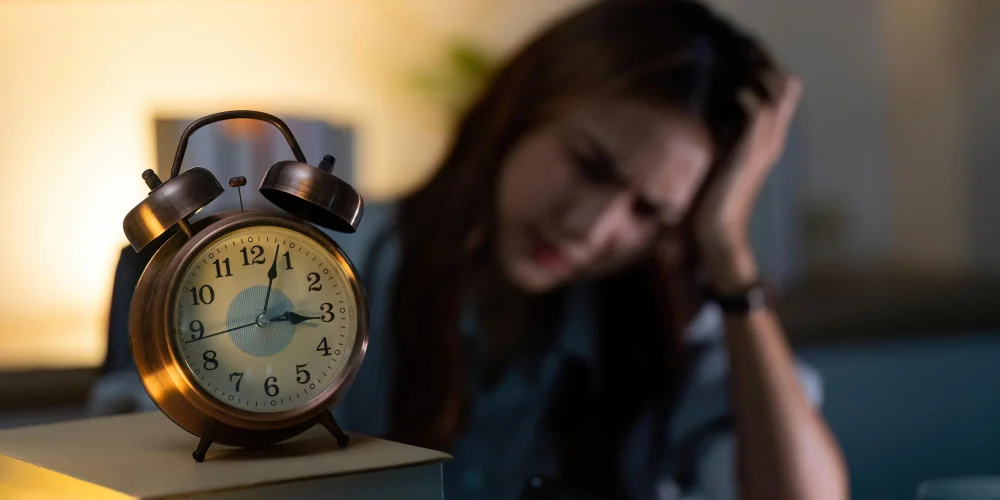
If you have spent years being told you are just a night owl who lacks discipline that if you really wanted to, you could go to bed at a reasonable hour this article is for you. Because for a significant number of people, the problem is not discipline or motivation. It is biology.
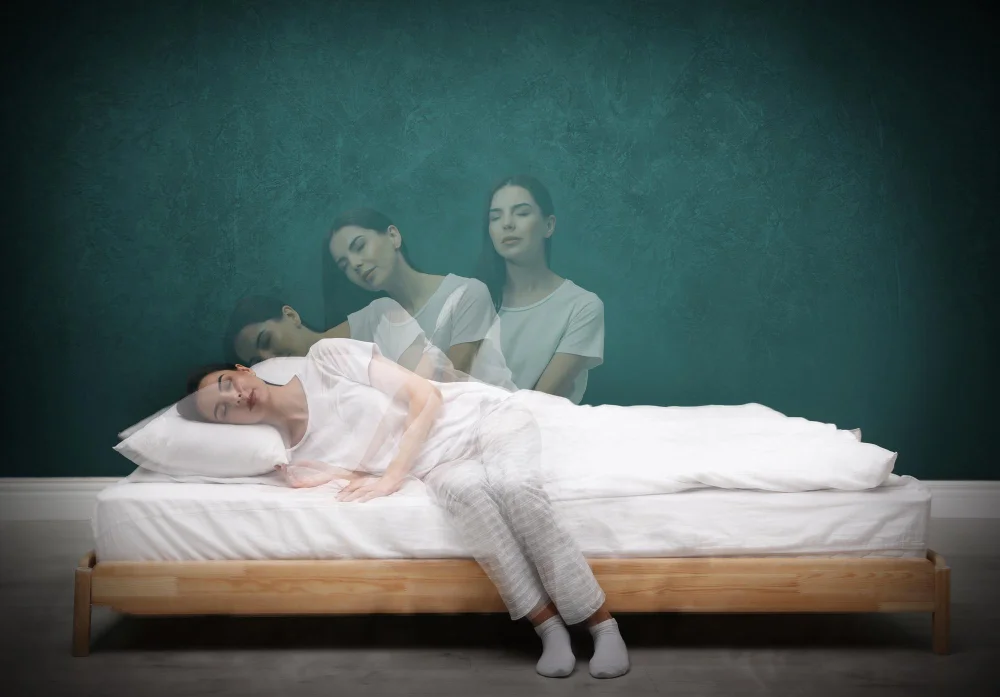
Delayed Sleep Phase Syndrome (DSPS), officially named Delayed Sleep-Wake Phase Disorder (DSWPD) in the International Classification of Sleep Disorders (ICSD-3), is a circadian rhythm disorder in which the internal biological clock is set significantly later than what society considers normal. People with DSPS do not simply prefer late nights. Their bodies are genuinely not primed for sleep until the early hours of the morning often 2 am, 4 am, or later and they cannot achieve natural wakefulness until late morning or midday. When allowed to follow their own schedule, their sleep quality and duration are completely normal. The problem is entirely one of timing.
DSWPD is the most commonly encountered circadian rhythm sleep-wake disorder seen in clinical practice. Prevalence estimates suggest it affects roughly 0.17% of the general adult population, rising to around 7–16% of adolescents and young adults a reflection of the well-documented biological tendency toward later sleep timing that peaks during late puberty and the early twenties. It is not a phase teenagers will grow out of simply by having more structure imposed on them; in many cases it persists into adulthood, and for some people it represents a lifelong chronobiological trait.
DSPS is also significantly associated with co-occurring conditions. Research has documented associations with depression (seasonal affective disorder is 3.3 times more common in DSWPD patients than controls), OCD, ADHD, and autism spectrum disorder. These are not coincidences they reflect shared neurobiological pathways, particularly around the regulation of circadian timing and neurological arousal.
"The best bridge between despair and hope is a good night's sleep."
The Science Behind Your Sleep Schedule
To understand why DSPS is a genuine biological condition rather than a lifestyle choice, you need to understand the two systems that govern when you sleep.
Process C: The Circadian Clock
The master circadian pacemaker your body’s internal timekeeping system sits in the suprachiasmatic nucleus (SCN), a tiny cluster of approximately 20,000 neurons in the hypothalamus. The SCN runs on a roughly 24-hour cycle, and it governs not just sleep but also body temperature, cortisol release, metabolism, and dozens of other biological rhythms. Critically, it synchronises to the external world primarily through light specifically through intrinsically photosensitive retinal ganglion cells (ipRGCs) in the eye that are maximally sensitive to short-wavelength blue light around 460 nanometres.
In a normally timed circadian system, the SCN triggers the pineal gland to begin secreting melatonin (the ‘darkness hormone’) approximately one to two hours before habitual bedtime typically between 9 and 11 pm. This is called the Dim Light Melatonin Onset (DLMO), and it is the gold-standard clinical marker of circadian phase timing. Melatonin does not cause sleep directly; it signals to the body that darkness has arrived and that the sleep phase should begin. Core body temperature simultaneously begins to fall, and a wave of biological readiness for sleep builds.
In people with DSPS, the DLMO is delayed often occurring at midnight or later. The entire downstream biology follows suit: body temperature nadir arrives later, cortisol awakening response is later, and the optimal window for natural sleep is shifted by hours. Importantly, recent research (PMC 2025) has also found that DSPS patients have a significantly lower rate of melatonin production compared to normal sleepers meaning it is not only a timing problem but also a production-level difference.
Process S: Sleep Pressure
The second system is homeostatic sleep pressure the build-up of adenosine (a metabolic byproduct of brain activity) that accumulates throughout the day and makes you progressively sleepier the longer you are awake. In healthy sleepers, Process C and Process S are aligned: by the time the natural melatonin window opens in the evening, homeostatic pressure has also built to a level that supports sleep onset.
In DSPS, this alignment is disrupted. The circadian clock’s sleep signal is delayed, so sleep pressure hasn’t built to the necessary threshold at a ‘normal’ bedtime. Emerging research (PMC 2023) suggests that sleep homeostatic processes actually differ in DSPS patients compared to controls meaning the disorder may not be purely circadian but may involve abnormalities in how sleep pressure accumulates and dissipates. This has direct implications for treatment.
The Genetics of Being a Night Owl
Genetics play a documented causal role in DSPS. The CRY1 gene encodes cryptochrome 1, one of the core molecular components of the circadian clock feedback loop. A 2017 PMC study identified a dominant mutation in CRY1 (c.1657+3A>C) that lengthens the intrinsic circadian period by approximately 30 minutes which translates into a two-to-two-and-a-half-hour shift in the DLMO and bedtime. The frequency of this allele in databases of human genetic variation is between 0.1% and 0.6%, meaning up to 1 in 75 members of certain populations could carry it. Other genes in the PER family (Period genes) have also been implicated in familial DSPS. The condition runs in families. It is not a matter of willpower.
Why Forcing an Earlier Bedtime Fails
‘Just go to bed earlier’ is to DSPS what ‘just see better’ is to myopia. It ignores the underlying biology entirely. Here is precisely why it does not work and why attempting it often makes things worse:
- Melatonin is not ready. Melatonin onset in DSPS occurs at midnight or later. Lying in bed at 10 pm when your DLMO is at 1 am is like trying to start a car before the ignition has engaged. The biological signal for sleep has not been sent. What you experience instead is wakefulness, hyperarousal, and frustration none of which are conducive to sleep.
- Sleep pressure hasn't peaked. Sleep pressure is the tiredness that accumulates the longer you are awake. In DSPS, the threshold for adequate sleep pressure at 10 or 11 pm may not be reached, particularly if the person has been living on a delayed schedule. The subjective experience is simple: you are not tired. No amount of trying harder changes a neurochemical reality.
- You're teaching your brain the wrong lesson. Spending night after night lying awake in bed is classically how conditioned arousal develops the bedroom becomes associated not with sleep but with wakefulness, frustration, and anxiety. This is the psychological layer that compounds the biological one, and it is why some people with DSPS develop genuine conditioned insomnia on top of their circadian disorder. It is also why sleep restriction therapy without circadian correction is counterproductive.
- Chronic sleep deprivation accumulates fast. Forcing an alarm at 6 am when you fell asleep at 3 am means chronic, cumulative sleep restriction. Over time this produces impaired cognitive function, mood disturbance, and poor health outcomes that look exactly like anxiety, depression, ADHD, or general low resilience and are frequently misattributed to those conditions rather than to the underlying sleep deficit.
The critical reframe: DSPS is not a failure of discipline. It is a disorder of biological clock timing. The treatment is not trying harder at the same thing that isn’t working. It is systematically using the tools that actually move the clock.
Ayurvedic and Yogic Perspectives on Sleep
Eastern medicine traditions arrived at a sophisticated understanding of sleep and its disruptions thousands of years before chronobiology existed as a science. Their frameworks map onto modern sleep science in ways that are more than metaphorical.
Ayurveda: Sleep as a Doshic Balance
In Ayurveda, sleep (Nidra) is one of the three fundamental pillars of health alongside nutrition (Ahara) and balanced living (Brahmacharya). Sleep disorders are understood as expressions of doshic imbalance, and the clinical picture of DSPS maps clearly onto a pattern of Vata aggravation.
Vata dosha governs movement, the nervous system, and rhythm. Its qualities are light, mobile, irregular, and quick. When Vata is imbalanced through irregular schedules, mental overstimulation, excessive screen engagement in the evening, erratic meal timing, and insufficient grounding routines the nervous system loses its natural rhythm. The result is exactly the DSPS profile: difficulty settling at night, a racing or overactive mind at bedtime, the subjective feeling of ‘wired but tired’, difficulty waking in the morning, and a general decoupling from natural day-night rhythms.
A peer-reviewed PMC study by Telles et al. (2015) assessed 995 people and found that higher Vata dosha scores significantly predicted longer time to fall asleep and poorer feeling of being rested in the morning (p<0.01). This is precisely the DSPS phenotype. The same study found Kapha scores predicted daytime somnolence the compensatory sleepiness that DSPS sufferers experience after losing the battle against their delayed clock during the working week.
Ayurveda’s primary prescription for this profile is Dinacharya a structured daily routine deliberately aligned with natural light-dark cycles. This is not generic lifestyle advice; it is a systematic resynchronisation protocol. The key Dinacharya elements for DSPS are consistent wake time (even before the person feels natural wakefulness, with deliberate morning light exposure), light early dinner to avoid the digestive activity that sustains wakefulness, and a gradual wind-down ritual from early evening that removes the stimulation that aggravates Vata.
Ayurvedic herbal support for DSPS centres on Vata-pacifying adaptogens and nervines. Ashwagandha (Withania somnifera), the subject of a double-blind PMC RCT demonstrating 27.9% cortisol reduction over 60 days, addresses the HPA axis dysregulation that often coexists with chronic sleep deprivation and sustains the hyperarousal that makes sleep onset difficult. Brahmi (Bacopa monnieri) supports nervous system calming and cognitive clarity. Jatamansi (Nardostachys jatamansi), referenced in a 2023 Journal of Ethnopharmacology paper, has well-documented tranquillising properties that reduce anxiety and nervous tension without the morning-after sedation of pharmaceutical hypnotics. Shirodhara warm medicated oil poured continuously over the forehead is noted in Ayurvedic clinical literature to naturally elevate serotonin and support melatonin rhythm normalisation.
Yoga: Rebuilding the Nervous System's Relationship with Night
Yoga addresses DSPS at the level of the autonomic nervous system. The core physiological problem in DSPS is sympathetic dominance at night the nervous system remains in an activated, alert state when it should be moving into parasympathetic rest mode. Yoga’s most relevant tools for DSPS work directly on this.
Yoga Nidra (yogic sleep) is a guided practice that systematically moves the nervous system from wakefulness through hypnagogic states while maintaining a thread of conscious awareness. It activates the parasympathetic nervous system, reduces cortical arousal, and lowers core body temperature all of which facilitate sleep onset. It is particularly well-suited to DSPS because it does not depend on the melatonin signal having arrived; it creates the physiological conditions for sleep independently.
Pranayama (breathwork) is equally important. Nadi Shodhana (alternate nostril breathing) balances the left and right hemispheres of the brain, calms both Vata and Pitta, and activates the parasympathetic nervous system through its effect on the vagus nerve. Practice for five to ten minutes before bed specifically in dim or candlelit environments to support melatonin production systematically reduces the hyperarousal that keeps the DSPS nervous system online at night. Bhramari (humming bee breath) achieves similar effect through vagal activation via the auditory and vibratory pathway.
Restorative postures Balasana (child’s pose), Viparita Karani (legs up the wall), Supta Baddha Konasana (reclined bound angle) held for three to five minutes each, activate the parasympathetic nervous system and gently lower body temperature. Avoiding dynamic or heating practices (Vinyasa, Ashtanga) within two to three hours of the target bedtime is essential, as these sustain sympathetic activation and core body temperature elevation that directly delay sleep onset.
Practical Strategies for Shifting Your Sleep Phase
These strategies work by targeting the specific mechanisms maintaining the phase delay. They require consistency over weeks circadian shifts happen gradually at roughly 15-30 minutes per day at best and they work far more reliably in combination than individually.
The Big Four Chronobiological Tools
- Morning bright light therapy: This is the single most effective intervention for DSPS and the one with the strongest clinical evidence. Bright light exposure after your minimum core body temperature (which occurs roughly 2-3 hours before natural waking) signals the SCN to advance the circadian clock. For DSPS, the protocol is: 10,000 lux broad-spectrum white light, positioned approximately one metre from the eyes, for 30-60 minutes, beginning within 30 minutes of waking. Advance your wake time by 15-30 minutes every few days, applying light at the new wake time each day, until you reach your target. Stanford Health Care's clinical protocol specifies that for DSPS the light must reach the retina as soon after spontaneous awakening as possible. Natural outdoor morning light works too a 30-minute outdoor walk immediately upon waking is neurobiologically equivalent for many people. Be aware that DSPS patients are hypersensitive to evening light: even dim artificial light at night suppresses their melatonin more than in controls. The flip side of this is that morning light therapy is particularly effective.
- Low-dose, strategically timed melatonin: Low-dose melatonin (0.5 mg not the 5 or 10 mg doses commonly sold) taken 5-6 hours before your current natural sleep time acts as a chronobiotic it tells the circadian clock to advance. This is not the same as taking melatonin to induce sleep at bedtime; the timing is entirely different and critical. Melatonin should be administered based on your personal DLMO timing, which ideally is measured by a sleep specialist. A 2015 AASM clinical practice guideline endorsed strategically timed melatonin for DSWPD treatment. Always consult a doctor before starting melatonin; timing and dose that is wrong for your individual rhythm can be counterproductive.
- Anchored wake time: Pick a wake time and hold it seven days a week, regardless of when you fell asleep the previous night. Variability in wake time is one of the most powerful drivers of circadian phase delay. The sleep restriction this creates in the short term builds homeostatic pressure that makes sleep onset easier at the target time. This is the behavioural component of the protocol, and it is non-negotiable if the other interventions are to work.
- Evening light restriction: DSPS patients have heightened sensitivity to phase-delaying light in the evening. Blue light from screens (peak sensitivity ~460 nm) is directly suppressing the melatonin rise that should be building from 9-10 pm. Blue-light-blocking glasses (blocking wavelengths shorter than 530 nm) worn from two hours before target bedtime, combined with dimmed amber or red lighting in the evening, remove the single biggest behavioural driver of the delayed phase. This is not about screens being bad in general; it is about removing a specific neurochemical signal at a specific time of night.
Supporting Strategies
- Exercise timing: Aerobic exercise advances the circadian clock when performed in the morning or early afternoon; it delays the clock when performed late at night. Time your exercise accordingly. Avoid intense workouts after 7 pm if you are trying to advance your sleep phase.
- Meal timing: Meal timing is a non-photic zeitgeber (time-giver) for the circadian clock. Eating dinner earlier ideally before 7 pm and avoiding late-night eating reduces the metabolic signals that maintain wakefulness. The Dinacharya principle of a light, early dinner is directly supported by chronobiology.
- CBT-I for conditioned arousal: CBT-I (Cognitive Behavioural Therapy for Insomnia) is valuable specifically for the conditioned arousal component that often develops alongside DSPS the learned association between bed and wakefulness. For DSPS specifically, it should be combined with circadian interventions (light therapy, melatonin, anchored wake time) rather than used in isolation. CBT-I + morning bright light therapy showed significant benefits in a published adolescent DSWPD randomised controlled trial.
- Chronotherapy (for severe cases): Chronotherapy progressively delaying sleep by three hours each day all the way around the clock until the target time is reached is sometimes used for severe DSPS. It is effective in the short term but has a high relapse rate without robust maintenance routines afterwards. It requires time off work/school and careful support.
- Professional diagnosis and DLMO testing: A sleep specialist (somnologist or chronobiologist) can measure your DLMO via saliva or blood test the gold standard for diagnosis and for calibrating melatonin timing precisely. Sleep actigraphy (two weeks of wrist movement monitoring) is also used diagnostically. If you have had your DSPS mismanaged as insomnia or depression for years, getting a proper clinical diagnosis and DLMO measurement is a worthwhile investment.
Sarah's Story: When Night Owl Became a Clinical Problem
Sarah had been a night owl for as long as she could remember. In school it was put down to being a teenager. In university it was just the student lifestyle. She did some of her best thinking between 11 pm and 2 am, felt genuinely creative and alert in those hours in a way she simply did not during the day. She assumed she would grow out of it.
She did not grow out of it. When she joined the workforce at 23 and was expected to be at her desk at 8.30 am, the problem became impossible to ignore. She would lie in bed from 11 pm, willing herself to sleep, and feel nothing. Not tired. Not drowsy. Just awake. The alarm at 6.30 would come after maybe three or four hours of sleep, and she would spend the morning in a fog that didn’t lift until after noon precisely when she was supposed to be most productive.
She tried the obvious things: no caffeine after 2 pm, phone off at 10, lavender on the pillow, blackout curtains. She made herself go to bed earlier and earlier, which only extended the time she spent lying awake, and the anxiety about not sleeping began to layer on top of the original problem. By the time she was 26, she was being treated for anxiety and depression. The antidepressants helped the mood a little but the sleep architecture stayed broken.
The turning point was a conversation with a friend who mentioned they had been diagnosed with DSPS. Sarah did not know the condition existed. Two weeks later she was sitting in a sleep specialist’s office being told that her dim light melatonin onset was at 1.15 am roughly three hours later than average and that her intrinsic circadian period was at the long end of normal. The diagnosis was DSWPD. The years of failing to sleep at a normal time were not laziness or anxiety or poor discipline. They were chronobiology.
The treatment programme took three months to produce meaningful results. Morning bright light therapy immediately on waking at first at 9 am, then 8.30, then 8, then 7.30. Low-dose melatonin (0.5 mg) at 7 pm, six hours before her adjusted target bedtime. Blue-blocking glasses from 8 pm every evening. An anchored 7.30 am wake time, seven days a week, even when it hurt. She also worked with an Ayurvedic practitioner who identified significant Vata imbalance, and incorporated Ashwagandha, Brahmi, and a structured Dinacharya that included Yoga Nidra practice before bed rather than scrolling through her phone.
The gains were not linear and they were not dramatic. There were setbacks a stressful week at work, a late night that reset things by a week. But at the three-month mark, Sarah was falling asleep by midnight, waking with her alarm at 7.30 without the previous fog, and feeling for the first time since secondary school like she was living in the same timezone as everyone else. She still skews late by nature. She probably always will. But the pathological delay is gone, and she has the tools to manage it when life disrupts the routine.
FAQs:
Q: Is DSPS the same as insomnia?
Ans. No and confusing them leads to the wrong treatment. Insomnia is difficulty falling asleep, staying asleep, or experiencing restorative sleep, regardless of the clock time attempted. People with insomnia have poor sleep quality at any timing. People with DSPS have perfectly normal sleep quality and duration when allowed to follow their own schedule. The only problem is timing. A DSPS patient who sleeps from 3 am to 11 am sleeps well; the same person attempting sleep from 11 pm to 7 am lies awake for hours. This is a clockwork problem, not a sleep quality problem. The distinction matters because CBT-I sleep restriction (a first-line insomnia treatment) can worsen DSPS if applied without circadian correction.
Q: Is DSPS curable?
Ans. There is no permanent cure. DSPS is a chronobiological trait for many people it reflects a genetic predisposition (including documented CRY1 and PER gene variants) that does not go away. What treatment achieves is phase advancement and maintenance: shifting the sleep window earlier and holding it there through consistent application of the chronobiological tools. Most people with DSPS can achieve a functional sleep schedule with sustained effort. Without maintenance, the clock tends to drift back toward its natural late phase, particularly with weekend schedule variability, evening light exposure, or disrupted routines. Think of it like managing myopia: the condition persists, but with the right tools it does not have to impair your life.
Q: Can children and adolescents have DSPS?
Ans. Yes, and adolescence is the peak prevalence period, with estimates of 7-16% of teenagers meeting criteria for DSWPD. This is partly driven by the well-documented biological tendency toward delayed sleep timing that occurs during puberty, partly by genetic factors, and increasingly by evening screen use in developmentally sensitive individuals. A 2021 PMC paper confirmed melatonin as an efficacious and safe treatment for DSPS in children and adolescents. The critical issue is that school start times that conflict with adolescent biology create chronic sleep deprivation in a large population of young people, with well-documented effects on mood, cognition, and academic performance. If your teenager cannot fall asleep before 1-2 am regardless of effort, a formal assessment with a sleep specialist is warranted rather than more discipline.
Q: How is DSPS diagnosed?
Ans. A formal DSPS diagnosis involves: a detailed sleep history and chronotype questionnaire (Morningness-Eveningness Questionnaire / Munich Chronotype Questionnaire), at least seven days of actigraphy (wrist movement recording to objectively document the sleep-wake pattern), and ideally a dim light melatonin onset (DLMO) measurement either via salivary or blood samples collected every 30-60 minutes in dim light from evening until bedtime, with DLMO defined as when salivary melatonin reaches 4 pg/mL. DLMO is the gold-standard objective marker of circadian phase. A sleep diary is used in parallel. In some cases, a polysomnography (overnight sleep study) may be performed to rule out co-occurring sleep disorders such as sleep apnoea or periodic limb movement disorder.
Q: What are the long-term consequences of untreated DSPS?
Ans. Significant and well-documented. Chronic sleep deprivation from years of being forced into misaligned schedules produces impaired cognitive function (concentration, working memory, executive function), mood disorders (depression and anxiety rates are meaningfully elevated in DSPS seasonal affective disorder 3.3x more common), increased risk of metabolic dysfunction, and elevated accident risk. Many people with undiagnosed DSPS are incorrectly treated for primary depression, ADHD, or anxiety, with limited response to those treatments because the underlying circadian disorder is not being addressed. Early diagnosis and chronobiologically appropriate management significantly reduce these downstream costs.
Q: Are there genetic factors in DSPS?
Ans. Clearly yes. A landmark 2017 PMC study identified a dominant mutation in the CRY1 gene that extends the intrinsic circadian period by approximately 30 minutes, producing a 2-2.5-hour delay in bedtime and DLMO. The allele frequency is 0.1-0.6%, meaning potentially 1 in 75 people in certain populations carry it. Mutations in PER genes (Period 3 in particular) have also been associated with delayed sleep phenotypes. DSPS runs in families. If a parent is a confirmed night owl who has always struggled with conventional schedules, the probability of children having the same chronotype is meaningfully elevated.
Concluding Thoughts
Living with DSPS in a world designed around morning people is genuinely hard. It is not just an inconvenience it is a chronic mismatch between your biology and society’s schedule that extracts a real cognitive, emotional, and professional toll over time. The first step to addressing it is understanding that it is not a character flaw. It is a disorder with a specific neurobiology, known genetic basis, and effective evidence-based treatment options.
The strategies that work morning light therapy, chronobiologically timed melatonin, anchored wake times, evening light restriction are not complicated or expensive. What they require is consistency, realistic expectations about the pace of change (weeks to months, not days), and the willingness to treat your circadian system with the same attention you would give to any other aspect of your health.
The integration of Ayurvedic and Yogic approaches into that framework adds something that chronobiology alone does not fully address: the nervous system’s relationship with night. Dinacharya creates the habitual environmental and behavioural signals that the circadian clock needs to anchor to. Yoga Nidra and pranayama create the parasympathetic conditions for sleep that no amount of lying in the dark and trying harder can produce. Herbs like Ashwagandha and Jatamansi address the cortisol and adrenal component of the hyperarousal that DSPS sufferers often carry.
You are not broken. Your clock just runs differently. And it can, with the right approach, be coaxed into a much better relationship with the world’s schedule or, at the very least, give you the tools to negotiate that relationship on your own terms.
Reference
- Delayed Sleep-Wake Phase Disorder (DSWPD) Clinical Review.
- Delayed Sleep-Wake Phase Disorder and Its Related Sleep Behaviors in the Young Generation.
- Mutation of the Human Circadian Clock Gene CRY1 in Familial Delayed Sleep Phase Disorder.
- Updates and Confounding Factors in Delayed Sleep-Wake Phase Disorder.
- Melatonin Circadian Rhythm in Normal Sleepers and DSWPD Patients (2025).
- Clinical Practice Guideline for Treatment of Intrinsic Circadian Rhythm Sleep-Wake Disorders.
- Bright Light Therapy for Delayed Sleep Phase Syndrome- Clinical Protocol.
- A Randomized Controlled Trial of CBT Plus Bright Light Therapy for Adolescent Delayed Sleep Phase Disorder.
- Efficacy and Safety of Supplemental Melatonin for Delayed Sleep-Wake Phase Disorder in Children.
- Circadian Interventions as Adjunctive Therapies to CBT-I.
- Circadian Rhythms- Fact Sheet.
- Ayurvedic Doshas as Predictors of Sleep Quality.
- Efficacy and Safety of Ashwagandha Root Extract- RCT.
- Ayurvedic Solutions for Sleep Disorders.
- Ayurvedic Understanding and Treatment of Insomnia.
- DSPS- Treatments, Patient Resources and Research.
- Find a Sleep Center- Locator for Board-Certified Sleep Specialists.