

Table of contents
Contributors
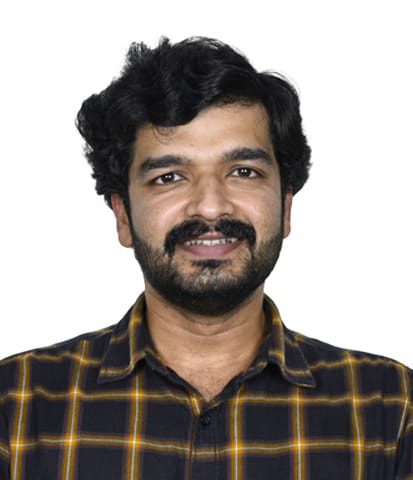
Dr. Narayanan Mooss
Ayurvedic Psychiatrist

Ms. Muktha
Clinical Psychologist
Key Take Aways
Gambling disorder is a recognised behavioural addiction involving changes in the brain’s reward and impulse-control systems, making it far more than a problem of willpower or self-control. The condition is reinforced by dopamine-driven anticipation, near-miss effects, and cognitive distortions such as the illusion of control, often leading to serious consequences including financial loss, relationship breakdown, depression, anxiety, substance misuse, and one of the highest suicide risks among addictive disorders. Evidence-based treatments such as CBT, Motivational Interviewing, family therapy, and peer-support groups like Gamblers Anonymous are highly effective, especially when combined. Ayurveda views gambling addiction through imbalances in Vata, Pitta, and Kapha, supporting recovery with grounding routines, nervous system-regulating herbs like Ashwagandha and Brahmi, and structured daily practices. Mindfulness, yoga, pranayama, and urge-management techniques further help rebuild emotional regulation, self-awareness, and the ability to pause between impulse and action. With consistent support and compassionate treatment, recovery from gambling disorder is entirely possible.
Full Article
Unravelling the neuroscience – and finding mindful paths to break free from gambling’s grip.
For instance, you might wonder:
- Is gambling disorder a real disease?
- Can I recover from gambling disorder?
- What are the signs of gambling disorder?
- Where can I find help?
All of these questions are normal and it’s understandable that you want to support your loved one to the best of your ability
While your questions are valid, it’s also important to understand that every person’s experience with depression is unique, so there are a few things you can do to help your loved one and yourself.

The Allure of the Gamble: Why Is It So Addictive?
There is a particular sensation that happens just before the dice land, just before the cards are turned over, just before the wheel stops spinning. It is not quite hope and not quite dread – it sits right between them, in a state of suspended uncertainty that the brain finds extraordinarily compelling. For many people, this is a moment they seek out deliberately, because nothing else in daily life produces quite the same electrical charge.
Gambling, at its core, taps into something genuinely primal: the thrill of risk, the possibility of reward, and the electric charge of the unknown. For most people, this is a harmless occasional pleasure – a night at the casino, a sports bet with colleagues, a scratch card on a whim. But for a significant minority, this harmless pleasure mutates into something the person can no longer control. The gamble becomes a compulsion. The excitement becomes a need. And the losses, instead of creating a reason to stop, become a reason to keep going.
Gambling Disorder is what the DSM-5 calls this condition – and in a landmark decision, it reclassified it from an impulse-control disorder to a behavioural addiction, placing it alongside substance use disorders for the first time. This was not a trivial diagnostic move. It reflected a growing body of neurobiological research showing that gambling disorder shares the same brain circuits, the same neurotransmitter systems, the same patterns of tolerance and craving, and many of the same clinical features as drug and alcohol addiction. The difference is that no substance enters the body. The drug is the anticipation itself.
Global gambling losses reached a staggering $540 billion in 2023. Problem gambling – including both at-risk behaviour and the more severe clinical picture of gambling disorder – is estimated to affect up to 6% of the adult population in some settings. A meta-analysis found a prevalence of problem/pathological gambling of approximately 1.29% in the adult population globally, with moderate risk gambling affecting approximately 2.43%. Only 21% of people with problematic gambling seek treatment – leaving millions of people struggling alone with a condition that is both recognisable and treatable.
Crucially, gambling disorder is not about weak character or poor willpower. It is a complex interaction of brain chemistry, psychological vulnerability, and environmental exposure. Understanding what is actually happening – in the brain, in the mind, and in the life – is the first step toward getting out from under it.
"The greatest glory in living lies not in never falling, but in rising every time we fall."
The Brain on Bets: How Gambling Hijacks Your Reward System
To understand why gambling disorder is so hard to stop, you need to understand what gambling does to the brain. And what it does is extraordinary – and not in a good way.
The Dopamine Surge
Every bet placed activates the brain’s mesolimbic reward system – the same circuitry that responds to food, sex, social bonding, and drugs. At the centre of this system is dopamine, a neurotransmitter that signals reward, reinforces behaviour, and motivates the organism to repeat what produced the good feeling. When you gamble and win, dopamine floods the nucleus accumbens (the brain’s primary reward hub), producing a surge of pleasure that the brain immediately marks as worth repeating.
But here is where it gets particularly insidious. The dopamine surge triggered by gambling does not primarily correspond to winning. It corresponds to the anticipation of winning – the charged moment of uncertainty just before the outcome is known. This means the chase becomes more neurologically compelling than the prize. The near miss – the slot machine that lands two cherries and misses the third – produces almost the same dopamine response as an actual win, even though it is a loss. The brain treats it as almost-winning, and doubles down on motivation to try again. PET neuroimaging studies confirm amplified dopamine release in gambling disorder, with functional MRI studies consistently identifying dysregulation in the ventral striatum (a key reward-processing structure) and medial prefrontal cortex.
Tolerance, Craving, and the Prefrontal Cortex
With repeated exposure, the brain adapts. The same dopamine surge requires higher stakes to produce the same subjective feeling of excitement – the neurological equivalent of tolerance in substance addiction. The person needs to bet more, risk more, and play for longer to access the feeling they originally found effortlessly. Meanwhile, the ventromedial prefrontal cortex – the region responsible for evaluating long-term consequences, overriding impulses, and making decisions weighted toward future wellbeing rather than immediate reward – shows reduced activity in gambling disorder. Decision-making becomes more impulsive. The ability to pause before acting, to weigh the odds honestly, to remember yesterday’s losses as a reason not to repeat them today – all of these rational override functions are progressively weakened.
Multiple neurotransmitter systems are involved beyond dopamine: serotonin (linked to impulse control), norepinephrine (contributing to arousal and excitement), opioids (pleasure and urge), and glutamate (cognitive flexibility and reward-seeking). This multi-system involvement is part of why gambling disorder is resistant to single-target pharmacological intervention – and why effective treatment must address multiple dimensions simultaneously.
Cognitive Distortions: The Mind's Tricks
Beyond the neurochemistry, gambling disorder is sustained by a set of powerful cognitive distortions – systematic errors in thinking that keep the person gambling despite accumulating evidence that they should stop:
- The gambler's fallacy: The tendency to believe that random independent events are influenced by what has happened before. After a series of losses, many gamblers feel certain that a win is 'due' - that probability is building up in their favour. It is not. Each spin, each hand, each race is statistically independent of the last. The belief that it is not generates the particularly destructive pattern of chasing losses.
- The illusion of control: The conviction that one has more influence over chance outcomes than is actually the case - choosing lucky numbers, developing 'systems,' feeling that personal rituals affect the results. This illusion is actively exploited by game design: the ability to press the button, hold the cards, or roll the dice creates a felt sense of agency that the brain interprets as genuine control.
- Near misses and selective memory: Near misses, losses disguised as wins (slot machines that return less than was bet but frame it as a win), and intermittent reinforcement - the unpredictable, occasional reward schedule that is the most powerful reinforcement schedule known to psychology - all combine to make gambling feel meaningful and potentially winnable even when the house edge makes sustained profit mathematically impossible.
Beyond the Buzz: The Real-Life Impact of Gambling Disorder
The financial consequences of gambling disorder are the most visible – and they can be devastating. Debts accumulate faster than they can be addressed. Savings disappear. Families lose homes. Credit is destroyed. But the financial damage, as severe as it is, is only one dimension of a condition that hollows out a person’s life from multiple directions simultaneously.
Mental Health
Gambling disorder co-occurs with other psychiatric conditions at strikingly high rates. A 2025 narrative review of population-based and clinical studies documented high rates of comorbidity with substance and alcohol use disorders, mood disorders (particularly depression), and anxiety disorders across all anxiety subtypes. Social anxiety disorder showed particularly strong links, especially in younger individuals and women. Women with gambling disorder face greater overall psychiatric comorbidity than men, including higher rates of mood disorders, suicidality, and anxiety.
The relationship between gambling disorder and depression is bidirectional – each can precede and worsen the other. A person may gamble to escape depression, and the consequences of gambling (financial ruin, relationship breakdown, shame) deepen the depression, which intensifies the urge to escape through gambling. This cycle can be deeply entrenched.
Perhaps most critically: the American Psychiatric Association has identified gambling disorder as carrying the highest suicide risk of any substance use or addictive disorder. Approximately one in two people with gambling disorder will think about suicide. One in five will attempt it. These figures are not incidental – they reflect the profound sense of entrapment, shame, and apparent hopelessness that gambling disorder produces. If you or someone you know is experiencing suicidal thoughts, call or text 988 (US) immediately.
Relationships and Family
Gambling disorder is rarely a private condition. Partners, children, parents, and friends are caught in its wake – in the financial crises, the lies, the broken promises, the emotional unavailability of a person whose mind is consumed by the next bet. Relationship conflict, marital breakdown, and family estrangement are common consequences. Children in households affected by gambling disorder are more likely to experience instability, financial hardship, and – in some cases – develop gambling problems of their own.
The secrecy that accompanies gambling disorder (the DSM-5 notes that lying about gambling is among the most frequently endorsed diagnostic criteria) creates a particular kind of relational damage: it is not just the gambling that devastates relationships, but the discovery of the deception. Trust, once broken this way, takes sustained effort to rebuild.
Work, Career, and Finances
Gambling disorder disrupts occupational functioning through cognitive preoccupation (the constant mental rehearsal of recent sessions, imagined future bets, and calculations of how to recover losses), through the time consumed by gambling itself, and through the financial desperation that can lead to absenteeism, poor performance, and – in extreme cases – fraud or theft. Career consequences range from reduced performance to job loss and, in professional roles, the loss of licences and professional standing.
Sarah's Story: When the Stakes Became Too High
Sarah had always liked poker. She was good at reading people, comfortable with risk, and she enjoyed the social ritual of a Friday night game with friends – the banter, the strategy, the modest stakes. For several years, it was exactly what it looked like: a hobby, a way to unwind, a bit of competitive pleasure.
She still cannot identify the precise moment when that changed. Looking back, she thinks it was the period after she was passed over for a promotion she had worked toward for three years. The disappointment was real, and the poker games became something else during that period – less social, more urgent. She started playing online between the Friday games. Just to practise, she told herself. To keep her edge.
The online play expanded. She discovered she could access games from her phone during lunch, during commutes, late at night when her husband thought she was reading. The stakes crept upward in ways she barely noticed. She started chasing losses – a session where she lost three hundred pounds became an imperative to play again immediately, to recover, to rebalance the account the universe owed her. She recognised this logic was irrational even as she acted on it. That gap – knowing it was irrational and doing it anyway – was one of the things that frightened her most.
She began taking money from the joint account in ways she described to herself as temporary, as loans she would repay once the run of bad luck ended. She opened a credit card her husband did not know about. She maxed it within four months. By the time the total debt reached fourteen thousand pounds, she had been actively lying about her gambling for over a year – telling her husband she was meeting colleagues when she was playing online in coffee shops, hiding account statements, managing a double life that was exhausting her as thoroughly as the gambling itself.
The breaking point was a credit check for a mortgage application. The debt appeared. Her husband saw it. The conversation that followed was, she said, one of the worst experiences of her life – not because he was cruel, but because she had to watch someone she loved grapple with the realisation that a whole layer of their shared reality had been constructed on lies.
She entered treatment through a CBT programme recommended by her GP. The cognitive work was confronting – mapping out the specific thought patterns she had used to justify each escalation, each concealment, each ‘final’ session that was never final. She recognised the gambler’s fallacy in her own thinking with something between horror and relief: finally naming what had been controlling her. Motivational interviewing helped her move from ambivalence (she still missed the early feeling of poker, the person she had been when it was just a game) toward a clearer and more committed sense of what she actually wanted her life to look like.
The Ayurvedic practitioner she started seeing at her therapist’s suggestion identified a strong Vata-Pitta pattern: the Vata-driven anxiety and need for stimulation that the gambling had been feeding, combined with the Pitta-driven competitiveness and urgency around outcomes. Ashwagandha, introduced alongside a structured Dinacharya (consistent daily routines), addressed the baseline nervous system agitation that had made the gambling feel necessary. Nadi Shodhana pranayama before bed replaced the late-night online sessions – not easily, and not immediately, but gradually.
She and her husband rebuilt their finances over two years. They rebuilt trust more slowly. Sarah attends a Gamblers Anonymous meeting most weeks – not because she cannot manage without it at this point, she says, but because being in a room with people who genuinely understand what it is like is something she finds restorative. She also volunteers with a financial counselling service for people in gambling-related debt. She says it helps to be on the other side of it: to be the person who knows that this is survivable.
Western and Eastern Paths to Recovery: A Holistic Approach
Effective recovery from gambling disorder almost always requires addressing both the neurobiological dimension of the condition and the psychological, relational, and lifestyle dimensions that sustain it. Neither a purely biological approach (medication alone) nor a purely psychological approach (therapy alone) is sufficient for most people. The strongest outcomes come from integrated treatment that uses multiple tools simultaneously.
Western Psychology: The Evidence Base
Cognitive Behavioural Therapy (CBT) is the most rigorously evidence-supported psychological treatment for gambling disorder. A 2023 umbrella review and meta-analysis found that CBT significantly reduced gambling disorder severity (effect size g = −0.91), gambling frequency (g = −0.52), and gambling intensity (g = −0.32) compared to minimal or no treatment controls – with 65–82% of participants receiving CBT showing greater reductions than controls. Beyond gambling behaviour itself, CBT also significantly reduced co-occurring anxiety and depression.
What does CBT for gambling disorder actually address? The core content includes:
- Cognitive restructuring: Identifying and challenging the specific cognitive distortions that maintain gambling - the gambler's fallacy, the illusion of control, selective memory for wins - replacing them with accurate probability understanding and honest accounting of outcomes.
- Trigger identification and urge management: Identifying the specific people, places, times, emotional states, and financial situations that trigger gambling urges; developing practical strategies for each.
- Coping skills training: Building the skills needed to tolerate distress, manage stress, and regulate difficult emotions without gambling - the skills the gambling was originally substituting for.
- Relapse prevention: Developing concrete plans for what to do when relapse occurs, so that a single slip does not become a full return to disordered gambling.
Motivational Interviewing (MI) is a clinically valuable complement to CBT, particularly for people who are ambivalent about treatment or not yet ready to commit fully to abstinence. MI helps the person clarify their own values and reasons for change, and resolve ambivalence through structured conversation rather than external pressure. A 2023 PMC randomised controlled trial found that MI-based internet treatment produced comparable outcomes to CBT-based treatment – suggesting MI is a robust standalone option when CBT is not available or accessible.
Family therapy, group therapy, and couples counselling address the relational damage that gambling disorder leaves in its wake. These are not optional extras – for many people in recovery, the relational dimension of the problem is as significant as the individual psychological dimension, and treating them together produces better outcomes.
Gamblers Anonymous (GA) uses a twelve-step peer support model similar to Alcoholics Anonymous and provides community, accountability, and the particular understanding that comes from shared experience. Research suggests that combining GA participation with professional therapy improves treatment retention and abstinence rates beyond either alone. The National Problem Gambling Helpline (1-800-GAMBLER in the US; 0808 8020 133 in the UK) provides 24/7 support and referrals.
Eastern Wisdom: Ayurveda and the Addictive Mind
Ayurveda understands addiction – including behavioural addictions like gambling – through the lens of doshic imbalance and the concept of Prajna-paradha (crimes against wisdom): the progressive overriding of what the person knows to be true and good by compulsive craving. The three doshas create three recognisable patterns in people with gambling disorder:
- Vata (air and ether): Vata excess produces anxiety, restlessness, overstimulation-seeking, and the racing thoughts that gambling temporarily quiets. The Vata gambler is often using the game as an attempt to ground their scattered nervous system - the intense focus of gambling provides the only relief from chronic mental noise. Vata imbalance is also associated with impulsivity: acting before reflecting, because the body is moving faster than the mind can evaluate.
- Pitta (fire and water): Pitta excess produces the competitive drive, the urgency, the inability to accept a loss as simply a loss, the burning need to recoup what has been taken. Pitta-type gamblers are often high-achieving, driven individuals for whom losing is an affront - and for whom the 'recovery trade' logic of chasing losses feels urgent and righteous rather than irrational. Pitta also drives the obsessive preoccupation with the game's logic and strategy.
- Kapha (earth and water): Kapha excess produces the heavy, slow, comfort-seeking pattern where gambling is used as stimulation - a way to feel alive and engaged against a background of low motivation and emotional numbness. Kapha-type gamblers may be driven less by excitement than by the need to feel something, to have somewhere to be and something to do that feels meaningful.
The Ayurvedic treatment approach for addictive patterns addresses all three layers. Panchakarma (detoxification) restores the physical system depleted by the chronic stress and adrenal dysregulation of compulsive behaviour. Medhya Rasayana herbs rebuild the nervous system:
- Ashwagandha (Withania somnifera): Reduces cortisol and stress-system hyperreactivity - directly addressing the Vata-driven anxiety that makes compulsive behaviour-seeking feel necessary. A double-blind PMC RCT documented 27.9% cortisol reduction after 60 days. Ashwagandha also supports cognitive function and sleep quality, both of which are compromised in active gambling disorder.
- Brahmi (Bacopa monnieri): Ayurveda's foremost cognitive herb, Brahmi calms Vata agitation, supports memory and attention, reduces anxiety, and builds the cognitive clarity that makes honest self-examination in therapy possible.
- Jatamansi (Nardostachys jatamansi): A nerve relaxant and natural antidepressant that calms the stress response and supports sleep - particularly relevant for the insomnia and anxiety that frequently accompany early recovery from gambling disorder.
Dinacharya – consistent daily structure – is the Ayurvedic practice most directly applicable to gambling disorder recovery. Many people with gambling disorder have no stable daily routine; the gambling has consumed their time and energy in ways that eliminate normal structure. Reestablishing consistent wake and sleep times, meal times, and daily practices (Abhyanga, pranayama, brief meditation) creates the neurological groundwork for impulse regulation that the disorder has eroded.
Finding Your Centre: Mindfulness and Yoga for Impulse Control
The fundamental problem in gambling disorder – from a psychological perspective – is the difficulty of pausing. The urge to gamble is experienced as demanding, urgent, and overwhelming. The gap between impulse and action, in a person with gambling disorder, has often been reduced almost to zero. What mindfulness and yoga both build, in different ways, is the capacity to widen that gap – to insert a breath, an observation, a choice – between the urge and the action.
Mindfulness: Urge Surfing and the Observer's Stance
Mindfulness teaches a particular way of relating to difficult thoughts and feelings: observing them without fusing with them or immediately acting on them. For someone with gambling disorder, this means learning to notice the urge to gamble – to feel its texture, its urgency, its particular quality – without treating it as a command. This is sometimes called urge surfing: riding the wave of the craving, staying present with it, and observing that it naturally rises and falls without requiring action to make it stop.
The research on mindfulness and impulsivity is supportive. A 2024 randomised controlled trial found that brief mindfulness training reduced cognitive impulsivity and motoric impulsivity compared to controls. A 2022 PMC study found that brief mindfulness meditation reduced impulse control disorders in Parkinson’s disease patients. Research on addictive behaviours consistently finds that mindfulness training reduces the intensity of cravings and the likelihood of acting on them.
Practically, mindfulness in gambling disorder recovery looks like this:
- Urge observation: When the urge to gamble appears - triggered by an advertisement, a financial stress, a thought of the 'good sessions' - the practice is to stop, take a breath, and notice: what is happening in the body? Where is the tension? What is the feeling underneath the urge? Not to fight the urge or panic about it, but to observe it with the same detached curiosity you might bring to watching clouds move across a sky.
- Mindful journalling: Recording the specific trigger, the urge intensity, what was thought and felt, and what was chosen - in the moment or shortly after - builds self-knowledge about the patterns that sustain the behaviour. Over time this record becomes a powerful tool for identifying high-risk situations and developing specific plans for them.
- Daily practice: Establishing a daily mindfulness practice of even 10 minutes builds the neural infrastructure for impulse regulation. The prefrontal cortex - which is underactive in gambling disorder - is strengthened by regular mindfulness practice, improving decision-making capacity and the ability to pause before acting.
Yoga: Grounding the Body, Quieting the Craving
Yoga works on gambling disorder recovery through a different but complementary mechanism: it builds the body’s capacity for regulation from the ground up. The chronic stress activation associated with gambling disorder – the cortisol dysregulation, the sleep disruption, the nervous system running perpetually above its healthy baseline – is directly addressed by regular yoga practice, particularly restorative and grounding approaches.
Specific practices particularly relevant to gambling disorder recovery:
- Grounding poses - Tadasana and Vrksasana: Tadasana (Mountain Pose) creates a physical experience of stable uprightness that is itself grounding and orienting. Vrksasana (Tree Pose) extends this into balance - requiring present-moment focus and bodily awareness that is incompatible with the mental distraction of gambling preoccupation. These poses build the embodied sense of being-here, in this body, in this moment - the antidote to the dissociative state that gambling often produces.
- Restorative poses: Balasana (Child's Pose) and Viparita Karani (Legs Up the Wall) activate the parasympathetic nervous system, reduce cortisol, and create an embodied sense of safety and rest - the physiological state in which impulse regulation becomes possible. For someone whose baseline is chronic sympathetic activation (stress response), regular time in parasympathetic states is genuinely therapeutic. Restorative poses: Balasana (Child's Pose) and Viparita Karani (Legs Up the Wall) activate the parasympathetic nervous system, reduce cortisol, and create an embodied sense of safety and rest - the physiological state in which impulse regulation becomes possible. For someone whose baseline is chronic sympathetic activation (stress response), regular time in parasympathetic states is genuinely therapeutic.
- Nadi Shodhana (alternate nostril breathing): Nadi Shodhana (alternate nostril breathing) directly regulates the autonomic nervous system, balancing left and right hemispheric activity and producing a measurable shift toward parasympathetic tone. For gambling disorder recovery, using Nadi Shodhana during a craving episode provides a real-time tool for interrupting the escalation from urge to action - giving the prefrontal cortex the few seconds it needs to engage.
- Bhramari and Kapalabhati: Bhramari (humming bee breath) activates the vagus nerve through auditory vibration, producing rapid parasympathetic calming that is particularly useful in acute distress. Kapalabhati (skull-shining breath) energises and activates, addressing the Kapha-type heaviness and low motivation that can underlie some gambling patterns.
Yoga Nidra – guided yogic sleep, a body-scan relaxation practice – builds the capacity to be still and present in one’s own body without external stimulation. For someone whose nervous system has been primed to seek constant arousal and excitement, this is both challenging and deeply healing. A regular Yoga Nidra practice is one of the most accessible tools for restoring healthy baseline nervous system tone in recovery.
FAQs:
Q: Is gambling disorder a real disease?
Ans. Yes – unambiguously. Gambling disorder is formally recognised as a behavioural addiction in the DSM-5 (the American Psychiatric Association’s diagnostic manual) and in the ICD-11 (the World Health Organization’s diagnostic system). Its reclassification from an impulse-control disorder to a behavioural addiction in DSM-5 reflected the growing neuroimaging and neuroscience evidence that gambling disorder involves the same brain circuits, the same dopaminergic reward dysregulation, the same patterns of tolerance and craving, and many of the same clinical features as substance addictions. It involves measurable changes in brain structure and function – particularly in the ventral striatum and prefrontal cortex – and meets every reasonable definition of a medical condition. It is not a moral failure, not a character weakness, and not a choice that the person is simply refusing to make differently.
Q: Can I recover from gambling disorder?
Ans. Absolutely – and recovery is well-documented and achievable for the large majority of people who engage with appropriate treatment. CBT is the most evidence-supported treatment and has produced significant improvements in gambling severity, frequency, and related mental health outcomes across 87 individual studies included in a 2023 umbrella review. Motivational interviewing, Gamblers Anonymous, family therapy, and integrated approaches combining multiple modalities all have supporting evidence. Recovery rates improve significantly when treatment addresses co-occurring conditions (depression, anxiety, trauma) alongside the gambling disorder itself. Early entry into treatment, consistent engagement, and social support are the strongest predictors of sustained recovery.
Q: What are the signs of gambling disorder?
Ans. The DSM-5 identifies nine diagnostic criteria (four or more required for diagnosis): gambling with increasing amounts of money to get the same excitement; feeling restless or irritable when trying to cut down; repeated failed attempts to control or stop; preoccupation with gambling (reliving past bets, planning future ones, thinking about ways to get money to gamble); gambling when feeling distressed; chasing losses (returning to gamble more after losing); lying to conceal the extent of gambling; jeopardising important relationships, jobs, or opportunities because of gambling; and relying on others to relieve financial crises caused by gambling. Additional warning signs include: withdrawing from previously enjoyed activities, changes in mood linked to gambling wins and losses, and gambling alone or in secret.
Q: Where can I find help?
Ans. Several resources are available. In the US: the National Problem Gambling Helpline (1-800-GAMBLER / 1-800-426-2537) operates 24/7 and can connect you with local treatment resources and support groups. In the UK: GamCare’s National Gambling Helpline (0808 8020 133) is free, confidential, and available 24/7. Gamblers Anonymous (gamblers-anonymous.org) operates peer support groups globally. Your GP or primary care physician is also a valuable starting point – they can provide a clinical assessment and referral to appropriate specialist treatment. If you are experiencing suicidal thoughts associated with gambling disorder, the 988 Suicide and Crisis Lifeline is available by call or text.
A Path to Freedom: Concluding Thoughts
Breaking free from gambling’s grip is not a single decision made once. It is a series of decisions, made repeatedly, in moments of urge and difficulty and temptation. It is the decision to call the helpline instead of opening the app. To go to the GA meeting instead of finding a reason to skip it. To practise the breathing exercise in the car park before going inside. To tell your partner the truth. To ask for help with the debt.
None of these are glamorous decisions. But they are the decisions that accumulate into a life that belongs to you again rather than to the game.
Gambling disorder can feel like a prison without visible walls – a cage constructed out of craving and shame and the particular cognitive fog that the condition produces. But it is a recognisable, well-understood condition with real, effective treatments and a growing support infrastructure. The research on recovery is genuinely encouraging: most people who engage consistently with appropriate treatment improve significantly. Many achieve sustained remission. The brain, which has been hijacked, is also capable of healing.
If you are struggling – or if someone you care about is – please do not wait for the crisis point. The National Problem Gambling Helpline in the US is 1-800-GAMBLER (1-800-426-2537). In the UK, GamCare is available at 0808 8020 133. Gamblers Anonymous meetings are held globally. Your GP can provide assessment and referral. The path forward exists. You do not have to find it alone.
Reference
- What Is Gambling Disorder?
- Drug-Induced Gambling Disorder: Epidemiology, Neurobiology, and Management (2023).
- Network Analysis of DSM-5 Criteria for Gambling Disorder: Sex Differences in 4,203 Clinical Patients (2024).
- Neurobiology of Gambling Behaviors - Multiple Neurotransmitter Systems.
- Gambling Disorder Comorbidity: A Narrative Review (2025).
- Cognitive-Behavioral Treatment for Gambling Harm: Umbrella Review and Meta-Analysis (2023).
- Internet-Delivered Therapist-Assisted CBT for Gambling Disorder: RCT (2023).
- Efficacy and Safety of Ashwagandha Root Extract - Double-Blind Placebo-Controlled RCT.
- Drug Addiction and Ayurveda: A Holistic Approach to Recovery (2024).
- Brief Online Mindfulness Meditation Training Momentarily Reduces Impulsive Behaviors: RCT (2024).
- Gambling Disorder - Statistics and Resources.
- National Problem Gambling Helpline - 1-800-GAMBLER.
- National Gambling Helpline UK - 0808 8020 133.
- Gamblers Anonymous - Peer Support Groups Worldwide.