
Table of contents
Contributors

Dr. Narayanan Mooss
Ayurvedic Psychiatrist
Key Take Aways
Tracking sleep patterns through a sleep diary can help identify insomnia triggers and recurring symptoms, while maintaining good sleep hygiene such as a cool, dark, and quiet sleeping environment supports better sleep onset and quality. Limiting stimulants like caffeine, which can remain active in the body for many hours, is also important for improving rest. For chronic insomnia, Cognitive Behavioural Therapy for Insomnia (CBT-I) is considered the gold-standard treatment because it effectively addresses the underlying sleep patterns without relying solely on medication.
Full Article
“Sleep is the golden chain that ties health and our bodies together.”
For instance, you might wonder:
- Can exercise help reduce insomnia symptoms?
- Is insomnia purely psychological?
- Does "catching up" on sleep during the weekend help?
All of these questions are normal and it’s understandable that you want to support your loved one to the best of your ability
While your questions are valid, it’s also important to understand that every person’s experience with depression is unique, so there are a few things you can do to help your loved one and yourself.
Recognising the Red Flags: Common Insomnia Symptoms
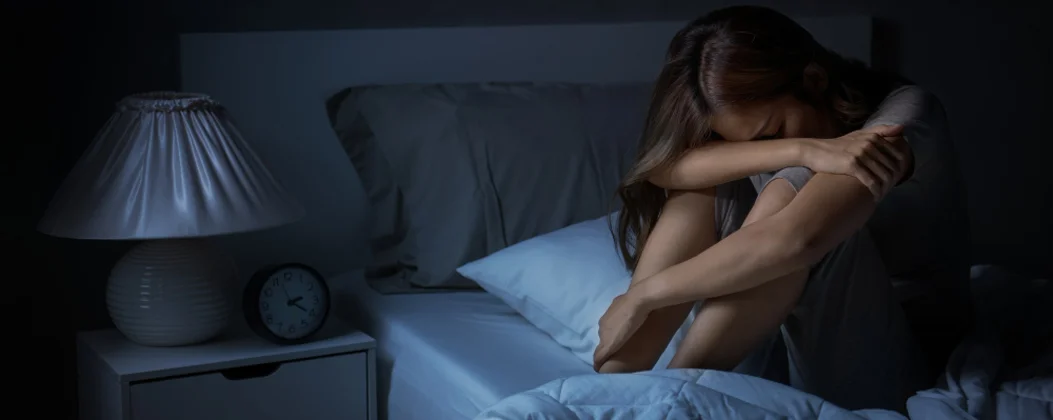
Identifying insomnia symptoms often begins with a simple realisation: your sleep quality is actively interfering with your quality of life. Common indicators include lying awake for long periods before falling asleep, waking up several times during the night, or waking up too early and being unable to drift back off. These patterns often lead to a “non-restorative” sleep experience, where you feel just as tired in the morning as you did the night before.
“Insomnia is exhausting not because you stay awake at night — but because your mind never truly learns to rest.”
The Classification of Sleep Onset vs. Maintenance
Clinical insomnia is generally divided into two categories: onset and maintenance. The onset of insomnia is the struggle to initiate sleep, often driven by a racing mind or anxiety. Maintenance insomnia involves frequent or prolonged awakenings throughout the night. Understanding which of these insomnia symptoms you experience most frequently is vital for a healthcare provider to determine the underlying cause, whether it be hormonal, neurological, or environmental.
Daytime Consequences of Nighttime Struggles
The impact of poor sleep doesn’t end when the sun comes up. Significant daytime insomnia symptoms include irritability, difficulty concentrating on tasks (often referred to as “brain fog”), and increased errors or accidents at work. For many, the persistent worry about not sleeping becomes a symptom in itself, creating a stressful cycle where the fear of insomnia actually prevents sleep.
The Role of Hyperarousal in Chronic Sleeplessness
Many researchers believe that chronic insomnia is a state of “hyperarousal” during both day and night. This means your body’s “fight or flight” system is stuck in the ‘on’ position. Even when you are exhausted, your brain remains vigilant, scanning for threats or ruminating on daily stresses. This physiological state makes the transition into deep, restorative sleep stages nearly impossible without intervention.
Lifestyle Triggers and Environmental Factors
Your “sleep hygiene”, the habits and environment surrounding your rest, can exacerbate insomnia symptoms. High blue-light exposure from screens before bed, inconsistent wake-up times, and the consumption of caffeine or alcohol late in the day are primary culprits. Addressing these environmental triggers is often the first line of defence in “sleep repair” before moving toward clinical treatments.
Case Study: The Pathophysiology of Insomnia
The case study examines insomnia disorder as a chronic condition marked by dissatisfaction with sleep quantity or quality, involving difficulty initiating sleep, maintaining sleep, or awakening earlier than desired. It highlights that despite advancements; no single model fully explains the disorder’s pathophysiology. The report summarises existing knowledge and proposes an integrated model grounded in evidence from multiple research domains.
The analysis reviews insomnia across several levels, including genetic, molecular, cellular, neural circuitry, physiologic, behavioural, and self-reported data. Genetic findings indicate that sleep-wake traits, such as timing and duration, are heritable and influenced by multiple genes. Animal studies, including insomnia-like Drosophila models, demonstrate similarities to human insomnia, such as reduced rest time and increased activity. Molecular research identifies various sleep-regulating substances involved in circadian rhythm and arousal, while cellular studies show that sleep-related molecules often act locally within brain structures.
A recurring theme in the case study is hyperarousal, with individuals showing increased somatic, cognitive, and cortical activation. Physiologic indicators include heightened high-frequency EEG activity, altered body temperature, metabolic rate, and cardiovascular changes. The report concludes that although considerable progress has been made, further refined genetic and physiological studies are needed to clarify mechanisms and improve treatment approaches.
Expert Insights: Why We Struggle to Drift Off
“Insomnia is not just a nighttime problem; it is a 24-hour disorder of hyperarousal. To treat it, we must look at how the patient functions during the day just as much as how they sleep at night.” — Dr. Michael Perlis, Director of the Penn Behavioural Sleep Medicine Program.
“The brain can ‘unlearn’ sleep. Our goal in treatment is to remove the obstacles—both mental and environmental—and allow the body’s natural homeostatic sleep drive to take over again.” — Dr. Jade Wu, Sleep Psychologist and Author of Hello Sleep.
When Should You Seek Help?
While everyone has an occasional bad night, you should consult a sleep specialist or your GP if:
- Your insomnia symptoms occur at least three nights a week.
- The problem has persisted for three months or longer (Chronic Insomnia).
- You find yourself avoiding social or professional commitments due to exhaustion.
- You are using alcohol or unprescribed medication to help you fall asleep.
- You experience "micro-sleeps" or find it dangerous to drive during the day.
FAQs:
Q: Can exercise help reduce insomnia symptoms?
Ans. Yes, regular physical activity can improve sleep quality, but avoid vigorous exercise within 2-3 hours of bedtime, as the spike in body temperature can keep you awake.
Q: Is insomnia purely psychological?
Ans. No. While stress and anxiety are major factors, insomnia can be caused by physical conditions like restless leg syndrome, sleep apnea, or hormonal imbalances (such as those during menopause).
Q: Does "catching up" on sleep during the weekend help?
Ans. Generally, no. Sleeping in on weekends disrupts your circadian rhythm, making it harder to fall asleep on Sunday night and worsening your symptoms for the following week.
Conclusion
Understanding your insomnia symptoms is the bridge between restless nights and restorative health. Sleep is the foundation upon which your physical health, mental clarity, and emotional stability are built. By recognising the signs early and seeking appropriate behavioural or medical support, you can reclaim your nights and, by extension, your life.