

Table of contents
Contributors

Dr. Narayanan Mooss
Ayurvedic Psychiatrist
Key Take Aways
Addiction is not simply a matter of weak willpower but a clinically recognised brain disorder that changes how the brain functions. While personal determination matters, relying on willpower alone often leads to burnout and relapse, which is a common part of recovery rather than a sign of failure. Effective recovery usually requires a combination of therapy, medication when needed, peer support, and healthy lifestyle changes, while practices like yoga and Ayurveda can serve as valuable evidence-informed complements to clinical treatment. Most importantly, asking for help is not weakness — it is a powerful step toward healing and long-term recovery.
Full Article
Why “Just Say No” Doesn’t Cut It in Addiction Recovery
For instance, you might wonder:
- Is willpower totally useless in recovery?
- What if I've tried everything and nothing's working?
- How do I find an Ayurvedic or yoga practitioner with addiction experience?
All of these questions are normal and it’s understandable that you want to support your loved one to the best of your ability
While your questions are valid, it’s also important to understand that every person’s experience with depression is unique, so there are a few things you can do to help your loved one and yourself.
The Allure and Illusion of Willpower
We’ve all heard it: “Just use your willpower!” It gets thrown around for everything from skipping dessert to quitting cigarettes. But when it comes to addiction recovery, banking on willpower alone is like trying to build a house with just a hammer. Sure, you’ll make some progress but eventually, the whole thing comes down.
Why? Because addiction isn’t a bad habit you can think your way out of. It’s a complex tangle of biology, psychology, and environment. And willpower that mental push we use to resist temptation runs out. It depletes with every stressful moment, every sleepless night, every triggering situation. Lean on it too hard, and it gives way.
Framing recovery as a willpower contest is an oversimplification that sets people up to fail, then blame themselves for it. It’s a narrative worth unpacking and replacing.
"The greatest glory in living lies not in never falling, but in rising every time we fall."
The Neuroscience of Addiction: What's Actually Happening in Your Brain
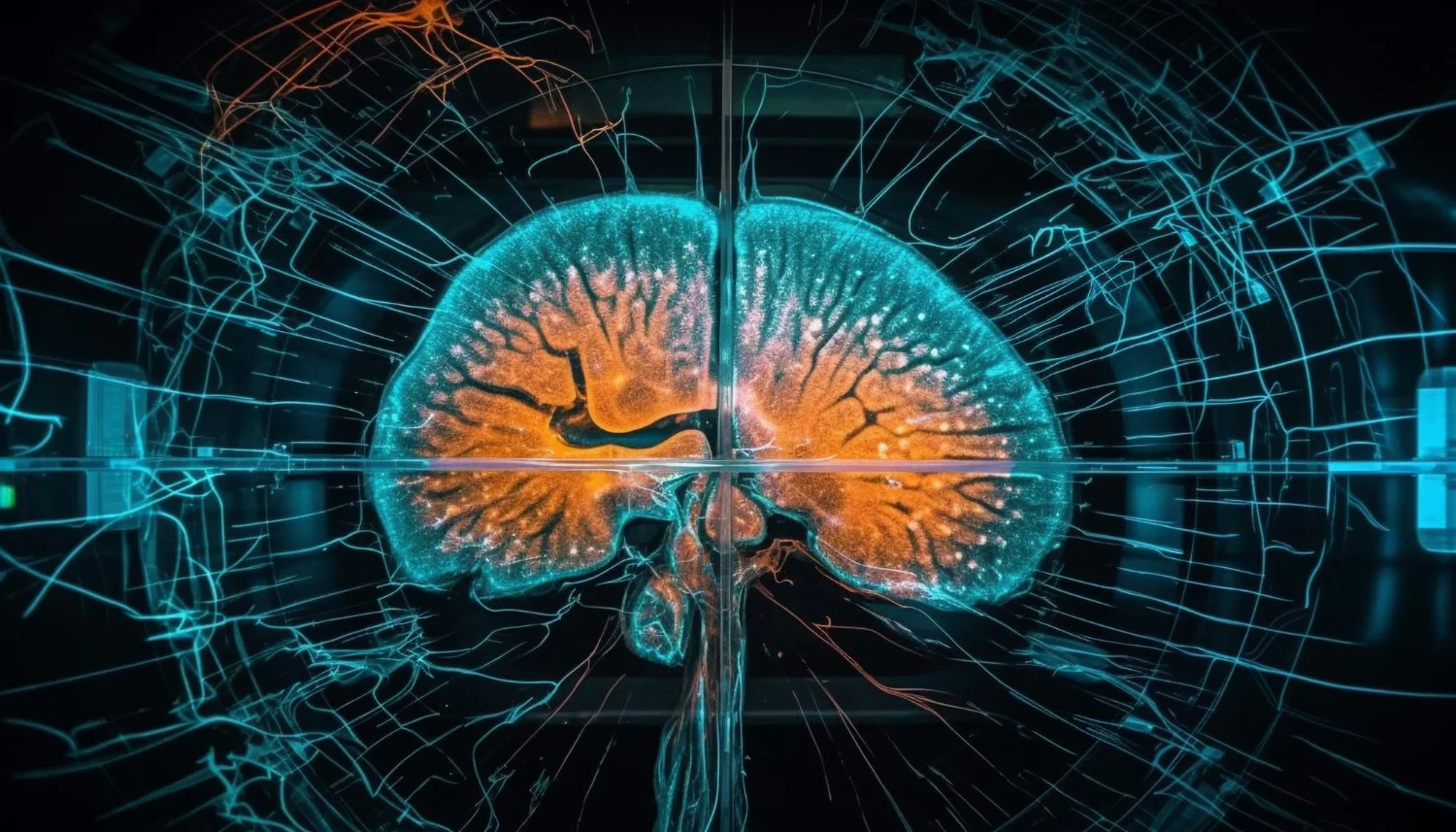
Addiction isn’t a character flaw. It’s a brain disorder and the science backs this up completely.
When someone uses a substance repeatedly over time, it hijacks the brain’s reward circuitry. Dopamine the chemical that makes you feel good floods the system in unnaturally high amounts. The brain registers this as incredibly important information and begins restructuring itself around it. Seeking and using the substance gradually becomes the brain’s top priority above relationships, responsibilities, even self-preservation.
This rewiring hit the prefrontal cortex especially hard. That’s the part of the brain handling decision-making, impulse control, and the ability to pause and think before acting. In people with addiction, this region becomes less effective making it harder to pump the brakes on cravings, no matter how much someone wants to stop.
As the National Institute on Drug Abuse (NIDA) puts it, addiction fundamentally alters brain structure and function. Expecting someone to simply “will” their way out of that is like asking someone with a broken leg to run a marathon. The desire to stop is real. The biological barriers are just as real.
Beyond Willpower: A Whole-Person Approach
Cognitive Behavioural Therapy (CBT)
So if willpower isn’t the answer, what is? Recovery that actually sticks tends to work on multiple fronts at once because addiction affects every dimension of a person’s life.
Here’s what a well-rounded approach typically looks like:
Therapy
Cognitive Behavioral Therapy (CBT) and Dialectical Behavior Therapy (DBT) are two of the most evidence-based options. CBT helps people identify and reroute the thought patterns that drive addictive behavior. DBT focuses on building emotional resilience and distress tolerance skills that are invaluable when cravings hit. Both help people build a toolkit for navigating triggers without reaching for a substance.
Medication-Assisted Treatment (MAT)
For certain substance use disorders opioids and alcohol, in particular FDA-approved medications can significantly reduce cravings and ease withdrawal symptoms. MAT isn’t a shortcut or a crutch; it’s a clinically supported strategy that makes the recovery process safer and more sustainable.
Support Groups
Recovery rarely happens in isolation. Peer communities whether that’s AA, SMART Recovery, or another group offer something that no medication or therapist alone can: the lived experience of people who truly get it. Shared stories, accountability, and genuine connection can be the difference between staying the course and falling back into old patterns.
Lifestyle Reset
The basics matter more than people realize. Regular movement, nutritious food, and consistent sleep all directly affect mood, stress levels, and brain chemistry. Building a lifestyle that supports recovery isn’t just helpful it’s foundational.
Eastern Wisdom: What Ayurveda and Yoga Bring to the Table
Western medicine doesn’t hold all the answers. Eastern healing traditions particularly Ayurveda and Yoga offer a complementary lens that many people in recovery find genuinely transformative.
Ayurveda
Rooted in ancient Indian medicine, Ayurveda treats the whole person rather than just the symptom. In the context of addiction recovery, it draws on several core practices:
- Panchakarma (Detoxification): A structured, gentle cleansing process designed to help the body clear out accumulated toxins and restore internal balance. Think of it as a reset not a quick fix.
- Herbal Support: Herbs like Brahmi and Ashwagandha have been used for centuries to calm the nervous system, sharpen cognition, and build resilience to stress all of which are directly relevant to recovery.
- Dietary Alignment: Ayurveda prescribes eating in a way that supports your specific constitution and helps stabilize digestion, energy, and mood reducing the physiological drivers of cravings.
Yoga
Yoga isn’t just a workout. As a recovery tool, it addresses the mind-body connection in ways that many people find deeply healing:
- Stress Regulation: Yoga activates the parasympathetic nervous system the body's "rest and restore" mode and measurably reduces cortisol, the stress hormone. Less chronic stress means fewer stress-triggered cravings.
- Self-Awareness: Mindfulness-based practices cultivate the ability to observe thoughts and urges without being hijacked by them. That pause between impulse and action is where recovery lives.
- Emotional Capacity: Regular yoga practice has been shown to improve emotional regulation the ability to feel difficult emotions without immediately needing to numb or escape them.
Sarah's Story: A Willpower Wake-Up Call
Sarah had always been the type to push through. Disciplined, self-sufficient, not the kind of person who asked for help. So, when she realized her, social drinking had quietly crossed into addiction, her instinct was to handle it the same way she handled everything else: alone, and through sheer force of will.
“I just need to be stronger,” she told herself. She white-knuckled her way through the first few weeks. No support, no therapy, no medication just determination. The cravings were relentless. The stress of constant resistance was exhausting. Then came a brutal day at work. That night, she relapsed.
She felt ashamed. Like she’d failed a test she should have passed. But shame, it turns out, isn’t a particularly useful recovery tool.
With professional support, everything shifted. Therapy helped her understand what was actually driving her drinking. A support group showed her she wasn’t alone. Mindfulness practices gave her tools to ride out cravings instead of being swallowed by them. She stopped treating her addiction as a moral failing and started treating it as the complex condition it is.
What Sarah eventually understood what took real courage to accept is that asking for help isn’t weakness. It’s exactly the kind of strength that recovery actually requires.
FAQs: Your Questions, Answered
Q: Is willpower totally useless in recovery?
Ans. Not at all. Willpower is part of the picture especially in those early days when you’re just getting started. The issue is that it’s a finite resource. It depletes. It can’t carry the whole weight of recovery on its own. Think of it as one tool in a larger toolkit, not the whole kit.
Q: What if I've tried everything and nothing's working?
Ans. Don’t quit on recovery because a particular approach hasn’t clicked yet. Recovery is rarely linear, and what works looks different for different people. If your current treatment isn’t doing it, that’s information not a verdict. Consider getting a second opinion, trying a different therapeutic approach, or exploring integrative options like those covered in Section 4.
Q: How do I find an Ayurvedic or yoga practitioner with addiction experience?
Ans. Look for practitioners who are certified and who have specific training in mental health or substance use. Your primary care doctor or a licensed addiction counselor may be able to point you in the right direction. Many national directories for integrative health practitioners now let you filter by specialty it’s worth doing the legwork to find someone who genuinely understands both the tradition and the clinical context.
A Final Thought: Choosing a New Path
Recovery isn’t about rooting out some weakness in yourself. It’s about building something new a life with more options, more awareness, and more room to be fully human.
You are not your addiction. And you don’t have to outmuscle it alone. The most powerful step you can take isn’t a feat of willpower. It’s the decision to reach out, get informed, and do this with support.
That path is open. It starts here.
References
- Drugs, Brains, and Behavior: The Science of Addiction Drugs and the Brain
- Drug Misuse and Addiction.
- The Science of Addiction: Why It's More Than Just "Willpower"
- The Science of Addiction.
- Cognitive Behavioral Therapy for Substance Use Disorders
- Dialectical Behavior Therapy for Substance Abusers.
- Meta-Analysis of Dialectical Behavior Therapy (DBT) for Treating Substance Use
- Medications for Opioid Use Disorder Treatment Improvement Protocol (TIP 63).
- Unlocking the Potential of Ayurveda and Medicinal Plants in De-addiction: A Scientific Exploration.
- Efficacy of Ashwagandha and Brahmi Extract on Alcohol Withdrawal Syndrome in Laboratory Rats
- Ayurvedic Interventions for Alcohol & Drug Addiction Treatment
- A Narrative Review of Yoga and Mindfulness as Complementary Therapies for Addiction
- Yoga, Mindfulness-Based Stress Reduction and Stress-Related Physiological Measures: A Meta-Analysis.
- The Role of Yoga and Meditation in Addiction Rehabilitation
- SAMHSA National Helpline
- Drugs, Brains and Behavior: The Science of Addiction- Full Resource.
- Medication-Assisted Treatment (MAT)- Overview and Access.