
Table of contents
Contributors

Dr. Narayanan Mooss
Ayurvedic Psychiatrist
Key Take Aways
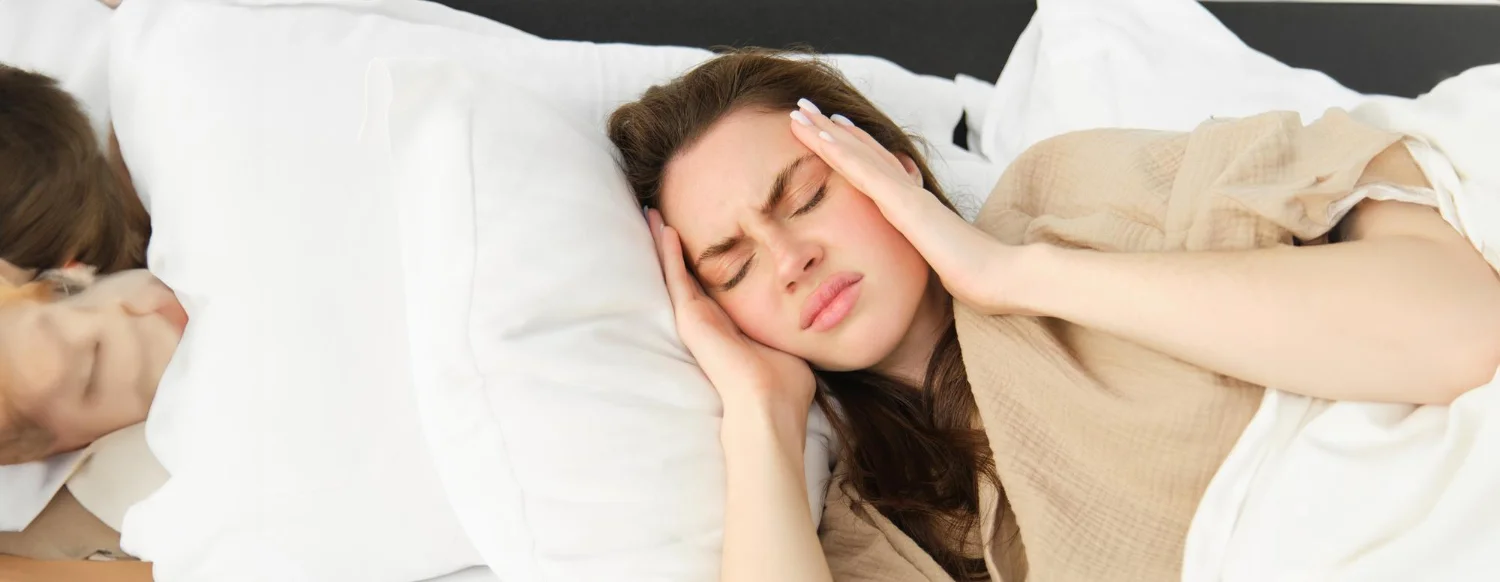
Sleep apnea is often first identified by a partner noticing loud snoring, breathing pauses, or restless sleep, while symptoms like morning headaches and dry mouth can be important personal warning signs. Because apnea disrupts breathing and oxygen flow during sleep, its effects can impact the entire body and overall health. A professional sleep study remains the only definitive way to accurately diagnose sleep apnea and determine its severity for proper treatment.
Full Article
“Your breath is the anchor of your life; don’t let it slip away while you sleep.”
For instance, you might wonder:
- Can losing weight cure sleep apnea symptoms?
- Are there alternatives to CPAP machines?
- Is sleep apnea genetic?
All of these questions are normal and it’s understandable that you want to support your loved one to the best of your ability
While your questions are valid, it’s also important to understand that every person’s experience with depression is unique, so there are a few things you can do to help your loved one and yourself.
The Silent Disruptor: Identifying Sleep Apnea Symptoms
Obstructive Sleep Apnea (OSA) occurs when the muscles in the back of your throat relax too much to allow normal breathing. The most common symptoms of sleep apnea include loud snoring, gasping for air during sleep, and periods where breathing actually stops. Because these events happen while you are unconscious, many individuals remain unaware of the condition for years, often only discovering it when a partner notices the irregularities.
“Sleep apnea doesn’t just interrupt your sleep — it silently steals oxygen, energy, and years from your life.”
The Difference Between Snoring and Sleep Apnea
While loud snoring is a hallmark of the condition, not everyone who snores has apnea. The key differentiator in sleep apnea symptoms is the pause. If snoring is punctuated by silence followed by a sudden snort or gasp, it indicates the brain is forcing the body to wake up just enough to take a breath. This constant cycle of “waking up” prevents the brain from reaching the deep, restorative stages of sleep.
Morning Fatigue and Daytime Warning Signs
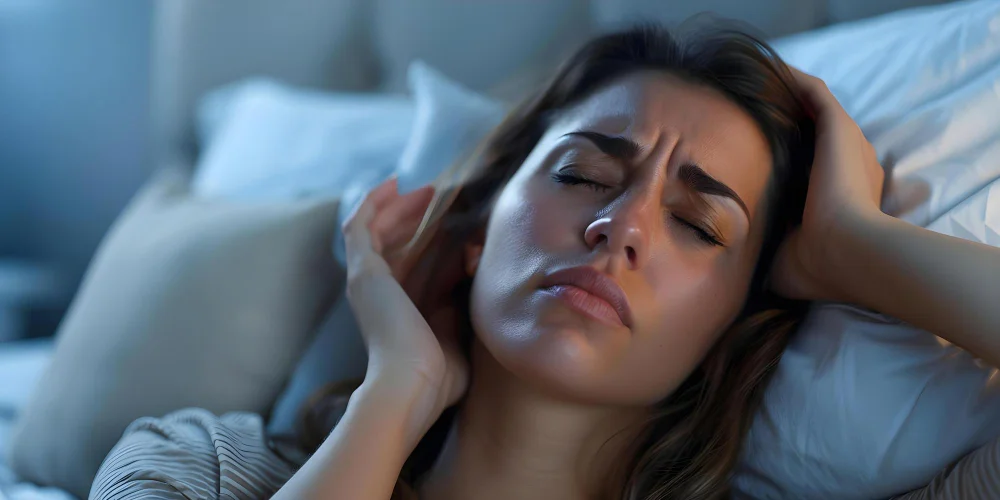
If you wake up with a parched throat or a dull headache, you may be experiencing secondary sleep apnea symptoms. Excessive daytime sleepiness (hypersomnia) is a major red flag; if you find yourself falling asleep during quiet moments, like reading or sitting in traffic, your brain is likely starved for the quality rest it missed during the night.
The Cardiovascular Connection: Risks of Untreated Apnea
The sudden drops in blood oxygen levels that occur during apnea events increase blood pressure and strain the cardiovascular system. Over time, untreated sleep apnea symptoms can lead to hypertension, heart disease, and an increased risk of stroke. Treating apnea isn’t just about feeling less tired; it’s a critical intervention for heart health.
Sleep Apnea Symptoms in Women vs. Men
It is a common misconception that only older, overweight men suffer from sleep apnea. While men are more likely to report “classic” symptoms like loud snoring, women often present with atypical sleep apnea symptoms such as insomnia, morning headaches, anxiety, or depression. This often leads to misdiagnosis, where the underlying breathing issue is overlooked in favour of mood-related treatments.
Case Study: The Life-Changing Impact of a Diagnosis
The study investigates the prevalence of symptoms and risk indicators associated with obstructive sleep apnea (OSA) within primary care populations across the United States, Germany, and Spain. Using a cross-sectional survey distributed across 40 clinics, the researchers gathered data from consecutive patients older than 15 years, regardless of their reason for visit. Measurements included demographics, self-reported chronic snoring, sleepiness, obesity (BMI > 30), hypertension, and calculated OSA risk.
Of 8,000 distributed surveys, 6,223 were returned, yielding a 78% response rate. Participants had a mean age of 51 years, ranging from 15 to 98 years, with 52% women. Findings revealed that 32% of respondents exhibited a high pretest probability of OSA. This rate was higher in the United States (35.8%) compared with Europe (26.3%), with an adjusted odds ratio of 1.37 (95% CI: 1.16–1.61). Sleepiness was more prevalent in the U.S. (32.4%) than in Europe (11.8%). Obesity and/or hypertension were also more common among U.S. participants (44.8% vs. 37.1%). Men and individuals with obesity (BMI ≥ 30) were significantly more likely to have high OSA risk. The study concludes that primary care physicians will increasingly face demand for diagnosing and managing sleep apnea, sleepiness, and obesity.
Expert Insights: Why Oxygen Matters
“Sleep apnea is essentially like someone coming into your room and strangling your dozens of times every night. The stress this puts on the heart and brain cannot be overstated.” — Dr Steven Park, ENT Specialist and Sleep Expert.
“The goal of treating sleep apnea is to stabilise the airway. When we do that, we don’t just fix sleep; we often see a ‘halo effect’ where diabetes, weight management, and mental health all begin to improve.” — Dr Raj Dasgupta, Pulmonary & Sleep Medicine Specialist.
When Should You Seek Help?
You should reach out to a sleep specialist or your primary care physician if:
- Your partner reports that you stop breathing or gasp in your sleep.
- You experience chronic, loud snoring that disturbs others.
- You feel exhausted even after a full 8 hours of sleep.
- You wake up frequently to urinate (nocturia) or have a dry mouth.
- You have difficulty staying awake during the day.
FAQs:
Q: Can losing weight cure sleep apnea symptoms?
Ans. In many cases of Obstructive Sleep Apnea, weight loss can significantly reduce the severity of symptoms by reducing the tissue around the airway. However, thin individuals can also have apnea due to jaw structure or genetics.
Q: Are there alternatives to CPAP machines?
Ans. Yes. Depending on the severity, options include oral appliances (similar to a mouthguard), positional therapy, or, in some cases, surgical procedures to clear the airway.
Q: Is sleep apnea genetic?
Ans. Yes, the physical structure of your airway, throat, and jaw can be inherited, which significantly influences your risk of developing apnea.
Conclusion
Sleep apnea is far more than a snoring problem; it is a serious medical condition that starves your vital organs of oxygen while you are at your most vulnerable. By staying vigilant for sleep apnea symptoms and seeking professional help, you can protect your heart, sharpen your mind, and finally achieve the restorative rest your body deserves.